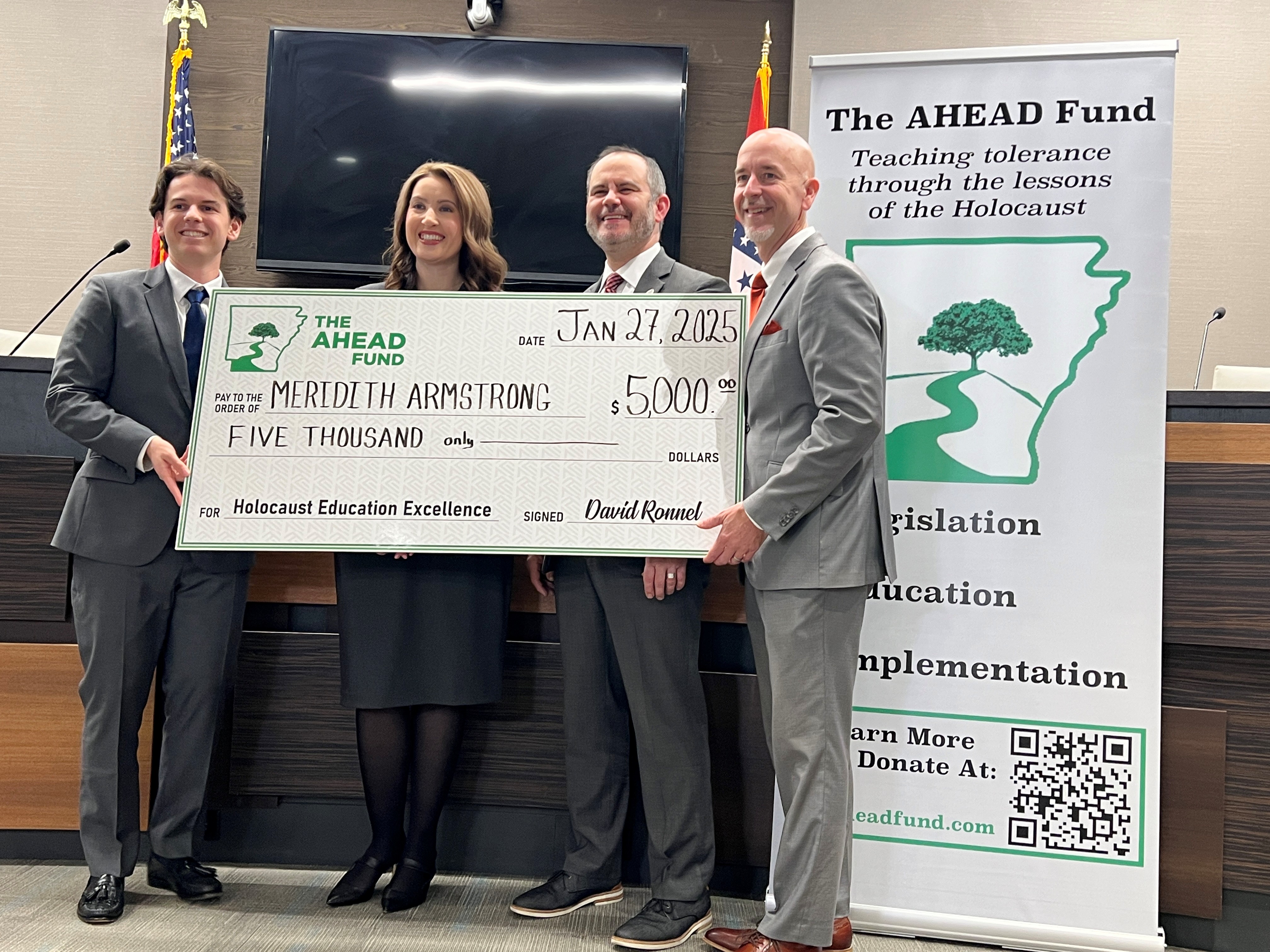
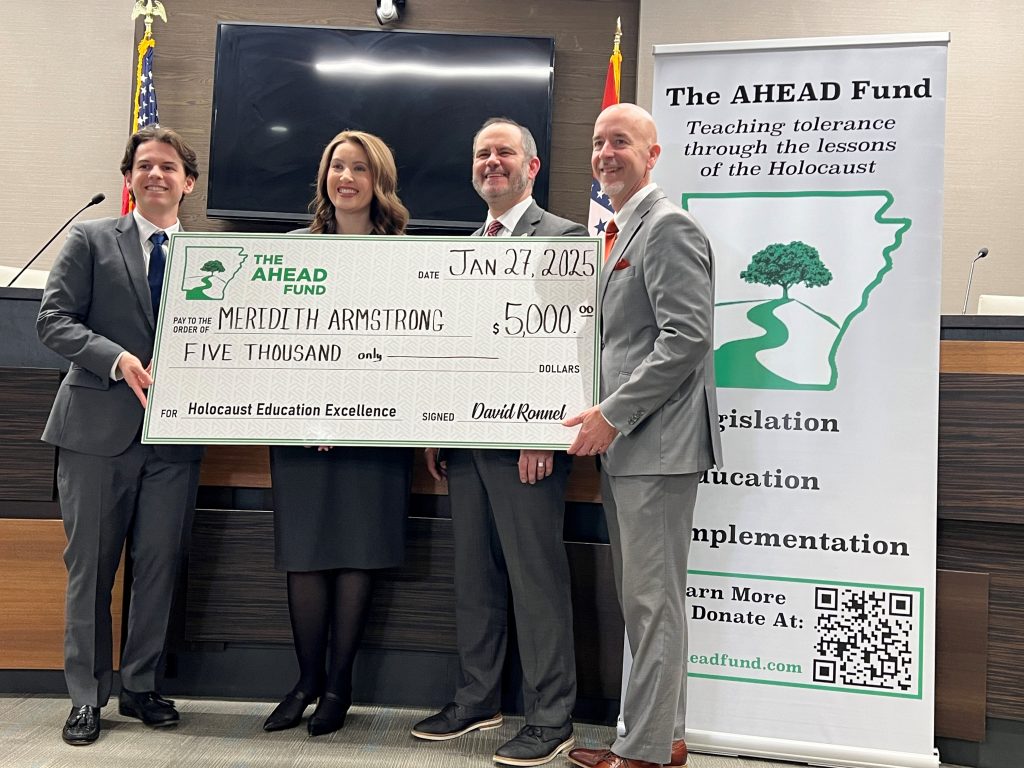
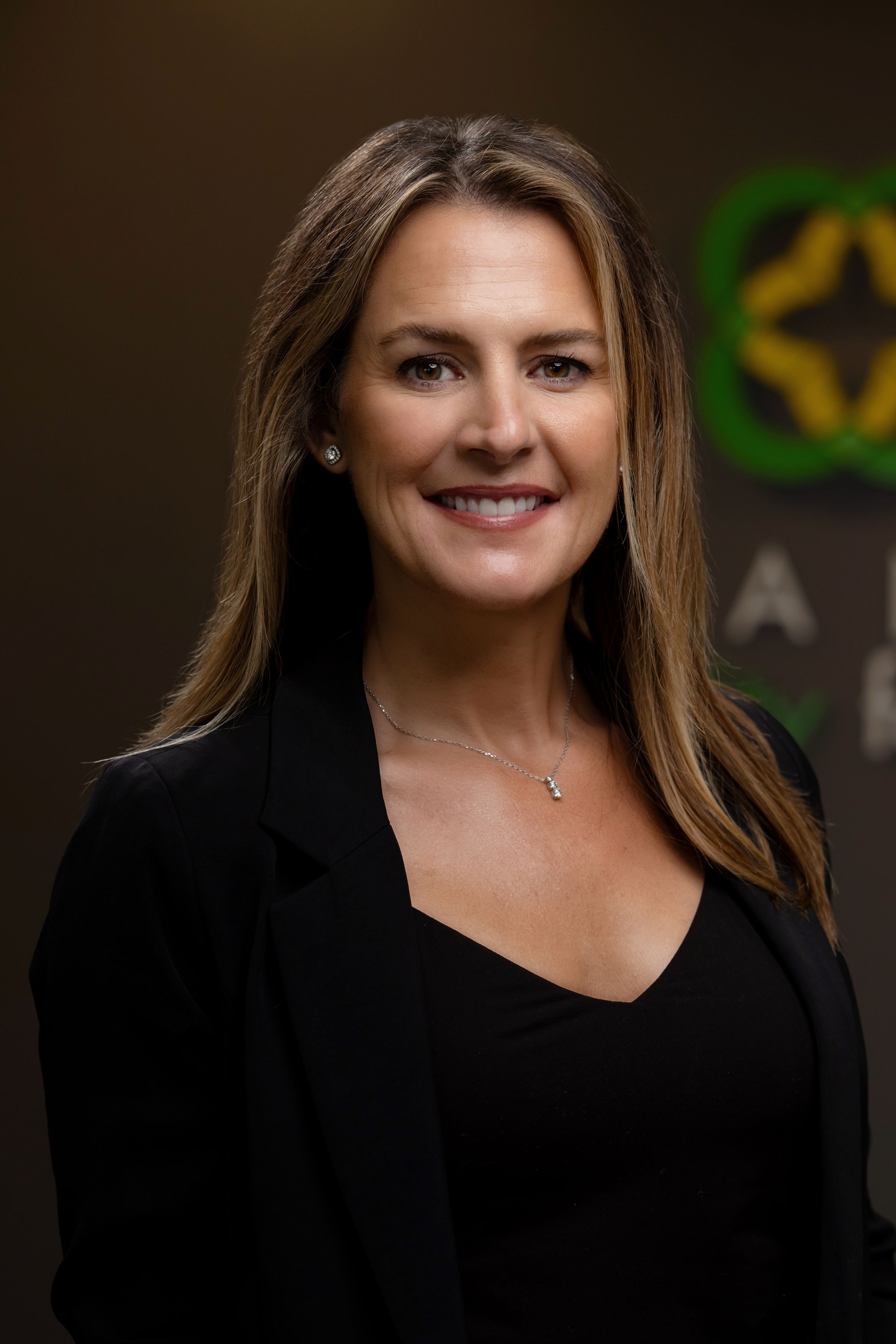
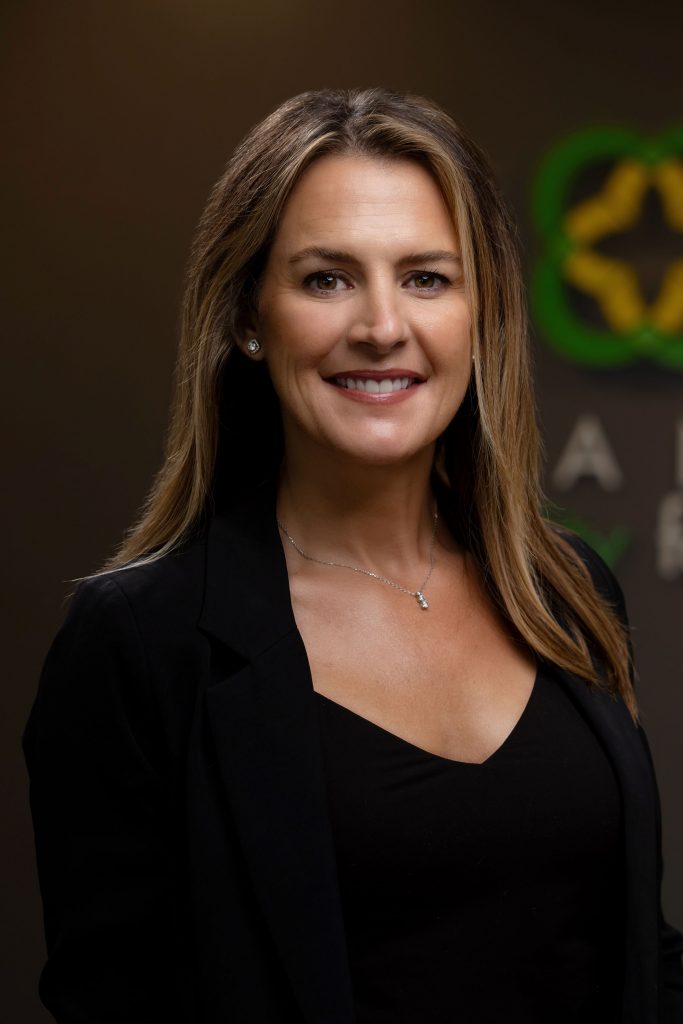
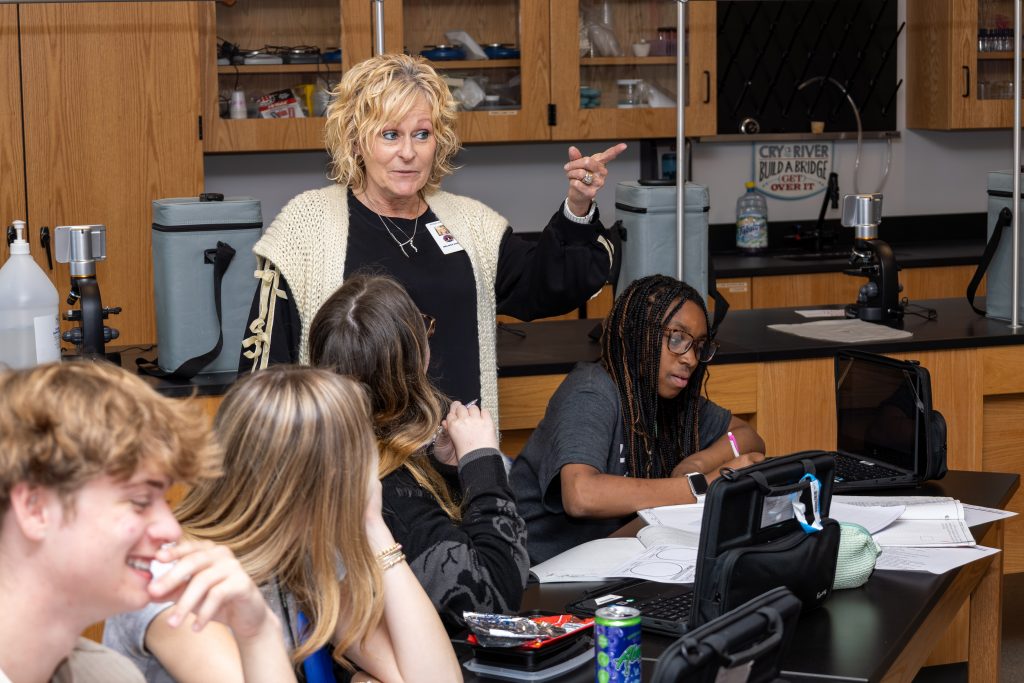
Meridith Armstrong, an 8th grade history teacher at Goza Middle School in Arkadelphia, was awarded $5,000 from The AHEAD Fund on January 27 at the Arkansas Department of Education building in Little Rock.
January 27 marks International Holocaust Remembrance Day, commemorating the victims of the Holocaust. In 2021, thanks to the efforts of former Governor Asa Hutchinson, Arkansas passed a state law requiring Holocaust education be taught in all public schools for grades 5-12. In 2023, Governor Sarah Sanders signed legislation into law that designates the last week in January as Holocaust Education Week in Arkansas.
The AHEAD Fund (Arkansas Holocaust Education Award Donation) is held at Arkansas Community Foundation. The fund recognizes Arkansas educators who go above and beyond in teaching the powerful lessons of the Holocaust.
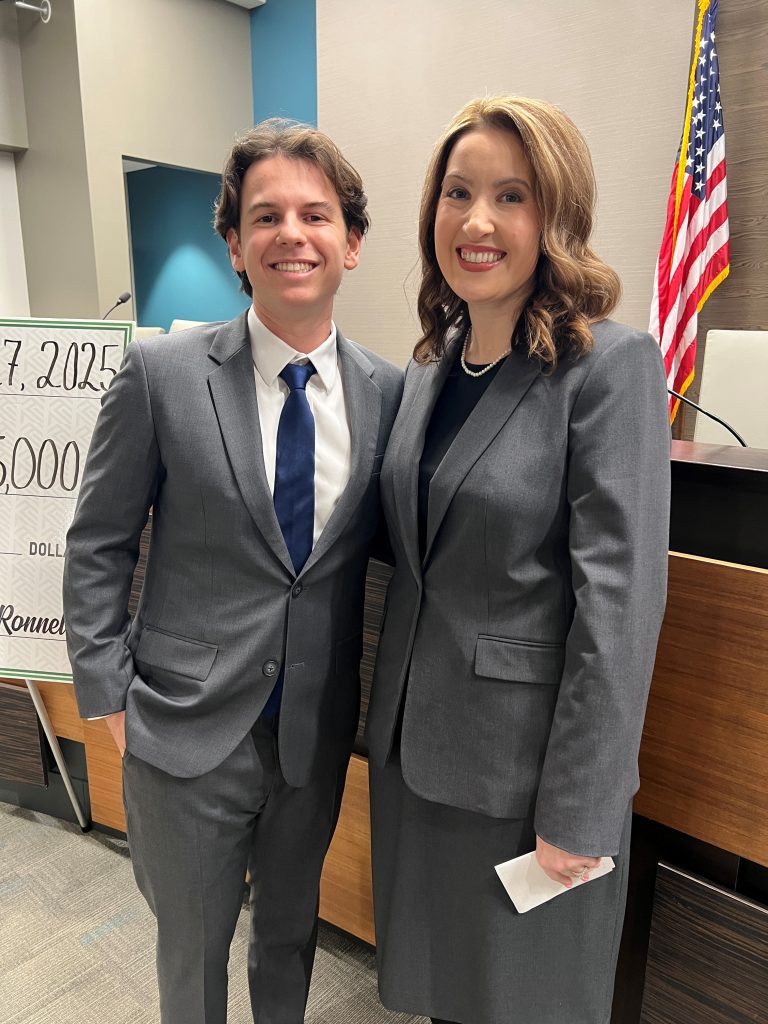
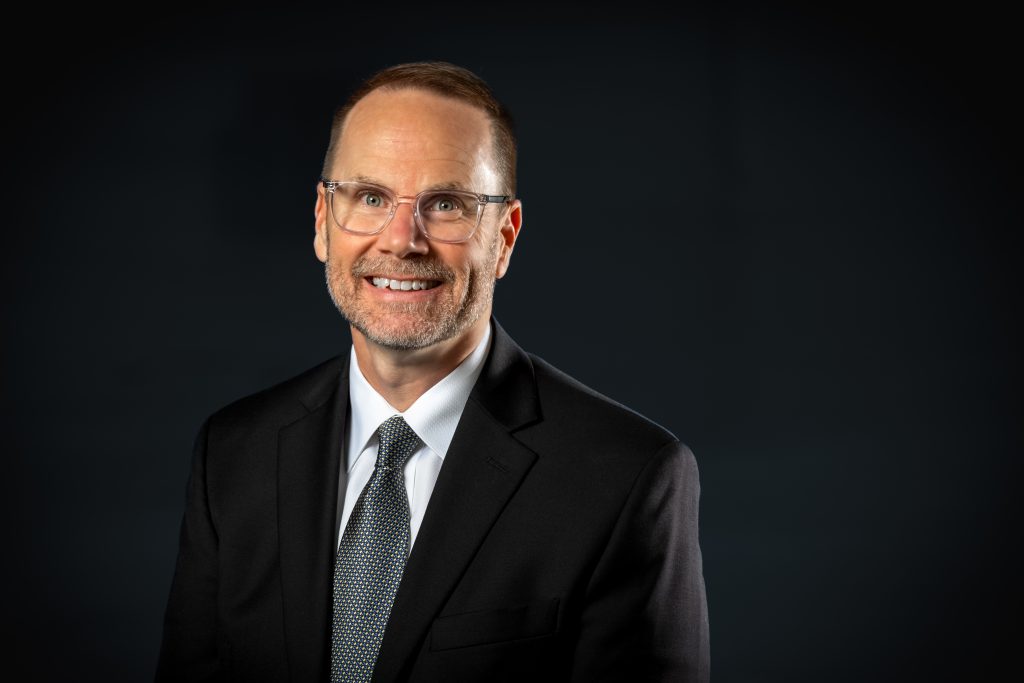
David Ronnel, Founder of The AHEAD Fund and Meridith Armstrong, 2025 Winner
“We are thrilled to celebrate one of Arkansas’s finest educators, Meridith Armstrong. Her passion for teaching the Holocaust is inspiring,” said David Ronnel, Founder of The AHEAD Fund. “Her grandfather, a World War II veteran, instilled in her the importance of Holocaust education and remembrance. In her Arkadelphia classroom, Meridith brings creativity and energy. Holocaust survivors have spoken to her students and she assigns research projects and Ted Talks on the Holocaust. She incorporates Holocaust-specific art, music and food into her lesson plans while also helping her students gain empathy, understanding and appreciation for the things that makes us different, unique and most of all, human.
“On this day, 80 years ago, Allied troops march into the concentration camp known as Auschwitz. They witnessed unimaginable scenes of horror surrounding the systemic murder of more than 11 million people,” said Ronnel. “These liberators were heroes, freeing innocent men, women and children who somehow survived these atrocities.
“Today, the AHEAD Fund serves to honor the memories of the victims, survivors and liberators of the Holocaust. At the beginning of Arkansas’ second annual Holocaust education week, we are encouraged, knowing that more schools across Arkansas are teaching students about humanity’s darkest hours, so that it is never forgotten and never repeated.”
David Ronnel, Meridith Armstrong, Jacob Oliva, Arkansas Secretary of Education and Keith Brooks, State Representative
“Holocaust education is important because it can teach students to speak up against injustice, and act as allies to those who are unjustly targeted and marginalized,” Ronnel said. “It can create a more tolerant outlook by helping students become more open to viewpoints that might be different from there own. And, with the flood of misinformation online, including a growing number of claims denying that the Holocaust ever even happened, its important now more than ever, that students learn from the horrible mistakes of the past.”
A quasi-endowed fund was designed for people and organizations that want to enjoy the excitement of giving larger grants now along with the benefit of investing for future growth. These funds are invested in the markets to keep them growing, but there’s no limit on the amount that can be granted from your fund to the organizations you choose. A quasi-endowment requires a $100,000 minimum to start and the balance must remain above $50,000 for the first three years.
A recent example of a quasi-endowment in action is held by Habitat for Humanity of Central Arkansas. Like many other nonprofits, Habitat relies heavily on annual giving and donations of all sizes year-round from their donors, but the use of a quasi-endowment allows them to access funds for emergency use and for special initiatives to boost their impact. The pandemic proved a prime example of this. It showed Habitat (and many nonprofits) the importance of growing and maintaining a strong reserve.
“Just like our homeowners must save for the closing costs of their new home, we must save for when a once-in-a lifetime opportunity presents itself to us as well,” said Kelly Fleming, executive director of Habitat for Humanity of Central Arkansas.
Because of a quasi-endowment, Habitat is able to have an impact now, and preserve funds for future use.
In addition to quasi-endowments, the Community Foundation helps donors manage three types of funds depending on the amount they want to donate, desired impact and time horizon. Learn more about the multiple ways to give here.
Arkansas Community Foundation is honored to receive the 2022 Advancing Equity Award from the Clinton School of Public Service and their Center on Community Philanthropy.
The Advancing Equity Award is presented to organizations using innovative solutions to address racial inequalities in their communities and advance progress toward inclusion. The award recipients will receive support to continue and enhance their efforts. The National Day of Racial Healing (NDORH) is an opportunity for people, organizations and communities across the United States to call for racial healing, bring people together in their common humanity and take collective action to create a more just and equitable world. NDORH is a part of the W.K. Kellogg Foundation’s Truth, Racial Healing & Transformation (TRHT) effort – a national and community-based process to plan for and bring about transformational and sustainable change and to address the historic and contemporary effects of racism.
The largest grantmaker in the state, Arkansas Community Foundation is a statewide nonprofit organization that offers tools to help Arkansans protect, grow, and direct charitable dollars while learning more about community needs. The Community Foundation engages people, connects resources, and inspires solutions to build community. You understand your clients’ charitable goals. We understand smart giving. Partnering with the Community Foundation, you stay in control of your client relationships while we provide the tools and resources to make the philanthropic process simple, flexible, and efficient.
Here is what is going on and how the proposed changes might affect
charitable giving strategies.
Under President Joe Biden’s proposed tax plan,
taxpayers making more than $400,000 per year would be taxed at a top income tax
rate of 39.6%, an increase from 37% under current law. That would mean
charitable giving would become more advantageous under the new
law for some taxpayers.
A separate provision in the proposed plan, however, would impose a
28% limit on charitable deductions for taxpayers who make more than $400,000
per year. This would mean that instead of avoiding income tax on charitable
gifts at the rate of 39.6% as described above, these taxpayers would escape
income tax only at a rate of 28%. (A similar provision was proposed, but never
enacted, during the Obama Administration.)
The tax proposal also calls for increasing—from a maximum rate of
20% to 39.6%—the capital gains and dividend tax rates for taxpayers whose
annual earnings exceed $1 million. For affected taxpayers, this change would
create opportunities to avoid significantly more tax than is possible under
current law for gifts of appreciated assets. An increase like this would create
a huge incentive for philanthropists to support charitable
organizations.
Next,
the tax proposal calls for a 3% reduction of itemized deductions for taxpayers
making more than $400,000 per year. This is reminiscent of the so-called “Pease
Amendment” that was repealed in 2018. Although the reinstatement of this rule
could have some negative effects on charitable giving, the rule’s impact would
be blunted for taxpayers for whom the reduction is absorbed by other types of
itemized deductions (mortgage interest payments, for instance).
Currently,
the gift and estate tax exemption per person is $11.58 million and $23.16
million for a married couple. These amounts are effectively double what they
were before the Tax Cuts and Jobs Act of 2017 (TCJA). The TCJA calls for an
automatic sunset of these increases on December 31, 2025, at which point the
exemption will drop back down to $5 million per person, as adjusted for
inflation. Under Biden’s proposed tax plan, though, the estate and gift tax
exemption and rates would be restored to the lower levels of more than a decade
ago.
In
addition, Biden’s proposal calls for substantial elimination of the step up in
basis from the taxpayer’s cost to fair market value at the time of death,
further complicating existing estate plans for many families. Some
philanthropists have deferred charitable gifts to 2021 under the assumption
that tax laws will change dramatically.
Despite the uncertainty about exactly what might happen with the
tax laws in 2021 and beyond, there are still opportunities for you to advise
your charitable clients with conviction that they are doing the right thing for
themselves and for the causes they care about. To that end, keep in mind the
changes to the charitable contribution deduction for 2021:
Extends until 2021 the above-the-line temporary charitable deduction that was included in the CARES Act. Non-itemizer individuals in tax year 2021 can deduct $300 for cash contributions to qualifying public charities, and non-itemizer couples filing jointly qualify for $600. Donations to donor advised funds and supporting organizations are not eligible for this deduction; however, we can create designated funds that qualify for the deduction.
Extends for one year the increased limit from the CARES Act on deductible charitable contributions for corporations and taxpayers who itemize. The limits for 2021 will be 100 percent of AGI for individuals and 25 percent of taxable income for corporations
As always, Arkansas Community Foundation can help you develop your clients’ charitable giving plans to maximize impact and tax savings. Contact us at 501-372-1116.
The next round of the Rural Relief Small Business Grants Program is now open. As part of their continuing commitment to elevate their impact in rural America, OneLISC is inviting small business owners in rural locations across the country to apply for the LISC-Lowe’s Rural Relief Small Business Grants program. Applications are open 1/26/21 through 2/2/21.
To find who is eligible, how the application process works and to apply, visit the LISC website. Rural LISC is committed to the integrity of the grant application process and to the security of applicants’ information. A couple of things to keep in mind:
Valid grant applications are only accepted through the links posted on the LISC website.
We will never request copies of personal documentation such as driver’s licenses, passports, and/or green cards.
The application is easy to fill out, requiring basic business information – professional grant writing assistance will not increase the chances of selection.
Rural LISC works with 92 partner organizations creating sustainable rural communities across 45 states. Visit our website here and if you would like to sign up to receive the Rural eNews each month, click here.
Here are some reminders to
sure that your gifts are recognized for the 2025 tax year:
ADD TO AN EXISTING FUND
To learn more about the
various assets you can give, review our guide to Contributing to a fund. In order for
charitable gifts into a fund to qualify for a charitable income tax deduction
in the 2025 tax year, don’t forget:
Checks sent via the U.S. Postal Service to any Community
Foundation office must be postmarked by December 31.
Credit card gifts can be made online until 11:59 pm December 31.
Gifts of assets sent via other means must be physically
received on or before December 31.
DONOR ADVISED FUNDS
Donor advised
fundholders may wish to recommend grants to support nonprofit year-end
campaigns, provide holiday contributions or make honorariums as gifts.
GRANT RECOMMENDATIONS
Grant recommendations
can be made online through our secure donor portal or by contacting
us.
Please note that the
timing of donor advised grants has no effect on your 2025 charitable income tax
donations since the tax acknowledgement is given when you contribute to your
fund.
Many people without children wonder
how they want their legacy to take shape. Without the need to plan for
biological heirs, they often have unique freedom to direct their resources,
time, and values toward the broader community. In fact, Americans over 50
without children are more than four times as likely as parents to include
charity in their estate plans.
If this sounds like you—or someone you
advise—here are three themes to explore when creating an intentional
philanthropic strategy:
1.
Treat charitable giving as part of your identity.
Your giving can reflect what matters
most to you. A fund at the Community Foundation can carry your name or a name
that expresses your values—“Smith Family Fund,” “Building Stronger Communities
Fund,” “Animal Welfare Innovation Fund,” or anything meaningful to you.
2.
Integrate charitable planning into your estate plan.
Without the need to provide for
children, many donors have more flexibility to create a lasting legacy aligned
with their values. We can work alongside your estate planning advisors to
structure charitable gifts—during life or at death—that direct your assets to
the causes you care about most.
3.
Expand the circle.
You may choose to involve nieces,
nephews, younger relatives, or trusted community members in your philanthropy.
A donor-advised fund allows you to name successor advisors who can continue
recommending grants after your lifetime.
Whether or not you have children, the
Community Foundation is here to help you build a charitable plan that reflects
your values and strengthens the community you care about. We would be honored
to support you—reach out anytime.
Every year, Americans give nearly 2%
of the nation’s GDP to charitable causes—a testament to the generosity that
fuels more than a million nonprofits. At the Community Foundation, we’re
grateful for your trust as we help steward your giving with care and integrity.
Our commitment is twofold: (1) to provide a home for your charitable giving, and (2) to understand community needs so your generosity has the greatest
possible impact.
Some needs are urgent—support for
families in crisis. Others are long-term—education, health, and economic
stability. Our job is to track these evolving priorities and help you invest
where it matters most.
For donors aged 70½ or older, one
particularly powerful tool is the Qualified Charitable Distribution (QCD).
A QCD allows you to transfer up to $108,000 in 2025 directly from your
IRA to a qualified public charity. The amount bypasses taxable income and can
satisfy required minimum distributions—a valuable strategy for managing tax
brackets, Medicare IRMAA surcharges, and other income-sensitive considerations.
Because QCDs cannot be directed
to donor-advised funds, many donors use a blended approach:
their DAF for regular annual giving, and
their QCDs to support unrestricted funds at the Community Foundation.
Unrestricted funds allow our board and
staff to direct grants where needs are most pressing—both now and in the
future. It’s one of the most impactful ways to strengthen the community you
love.
Talk with your tax advisors about
whether QCDs fit your 2025 plan. And remember: with new tax laws arriving in
2026, these strategies may become even more valuable.
No matter which tools you use—DAFs,
QCDs, bequests, or others—we’re here to help. Thank you for partnering with us
to make a meaningful difference.
Little Rock, Ark. (Nov. 21, 2025) – The Board of Directors of Arkansas Community Foundation today announced the selection of Jessica Hughes Ford as the Foundation’s next President and Chief Executive Officer.
Ford succeeds outgoing
CEO Heather Larkin, who will retire after 27 years of service to the
Foundation. The leadership transition will take effect on January 1.
“After a thoughtful
and competitive search process, the Board is confident Jessica is the right
leader to guide Arkansas Community Foundation into its next chapter,” said
Tracy Cude, chair of the Foundation’s Board of Directors. “Her experience, passion
and deep commitment to Arkansas communities align perfectly with our mission.”
A native Arkansan and
nonprofit leader with two decades of nonprofit experience driving strategic
communications, organizational transformation, and mission-aligned growth, Ford
is a nationally recognized voice in place-based philanthropy and crisis
leadership. She currently serves on the executive leadership team of the Foundation
as Chief Communications Officer, a role she has held since 2020.
“Jessica’s leadership,
her character, and her deep love for Arkansas have been evident since the
moment she joined the Foundation,” said Heather Larkin, current president and
CEO. “She is a bridge-builder, a convener, and a champion for the communities we
serve. I am confident that the Foundation’s future is in excellent hands.”
The announcement
coincides with a milestone moment for Arkansas Community Foundation, which will
celebrate its 50th anniversary in 2026. Since its founding in 1976, the
Foundation has distributed more than $600 million in grants statewide and is
poised to surpass $1 billion in assets. Working through 29 local affiliate
offices, the Foundation serves as both a statewide convener and local catalyst
for philanthropy, helping Arkansans turn local generosity into lasting
community impact.
About Arkansas
Community Foundation
For 50 years, Arkansas Community Foundation has helped Arkansans turn local
generosity into statewide impact. Since 1976, the Foundation has made more than
$600 million in grants to support Arkansas communities and is poised to surpass
$1 billion in assets in 2026. As part of its 50th anniversary year, the
Foundation is making transformational statewide grants and ushering in new
leadership to guide its long-term vision for impact. Working through 29 local
affiliates, the Foundation partners with donors, professional advisors,
nonprofits and community leaders to engage people, connect resources and
inspire solutions to build stronger Arkansas communities, forever.
If you work with business owners, it’s worth recognizing when a “charitable exit” opportunity arises. These rare but rewarding situations allow a client to give closely-held business interests to charity before a sale—often creating significant tax and philanthropic benefits.
How it works When a business owner donates shares to a donor advised fund at the Community Foundation before a sale is under negotiation, the gifted portion avoids capital gains tax. The donor receives a charitable deduction for the appraised value, removes those shares from their taxable estate, and ensures the proceeds will fuel future charitable giving once the sale closes.
Why timing matters To qualify for these benefits, the gift must occur before any formal sale discussions, shareholder votes, or letters of intent. A qualified appraisal is required, and gifts are most effective when made to a public charity—like the Community Foundation—rather than a private foundation.
Our role The Community Foundation reviews each potential gift to ensure compliance and feasibility, helping you and your client navigate the process smoothly.
Whether this scenario comes up
once or often in your career, remember: the earlier you involve the Community
Foundation, the more options you’ll have to maximize your client’s tax
efficiency and community impact.
As tax laws shift under the One
Big Beautiful Bill Act (OBBBA), Qualified Charitable Distributions (QCDs)
remain one of the most effective strategies for clients age 70½ and older to
give wisely while managing taxable income.
Why QCDs matter
IRA assets—totaling nearly $18 trillion nationwide—are among the most heavily
taxed upon withdrawal and inheritance. QCDs allow clients to give up to
$108,000 (per taxpayer in 2025) directly from an IRA to an eligible charity,
reducing adjusted gross income instead of relying on an itemized deduction.
Lower AGI can reduce Medicare surcharges (IRMAA) and preserve deductions that phase out at higher income levels.
Beginning in 2026, the new 0.5% AGI floor and 35% deduction cap will limit the value of itemized charitable deductions, making QCDs even more valuable.
How we help
While donor advised funds can’t receive QCDs, clients often pair them with
other fund types that can—such as field-of-interest, designated, or
unrestricted funds—to balance flexibility and tax efficiency.
Now is the time to revisit these
strategies. Together, we can help your clients reduce taxes, simplify giving,
and support the community they love.
Financial advisors know donor
advised funds (DAFs) are powerful tools for clients who want to give
strategically. What’s less known is how a DAF at the Community Foundation can
serve as the foundation of a client’s entire charitable portfolio—combining flexibility,
tax advantages, and community impact.
Organize annual giving A DAF offers a simple way to manage gifts of cash, appreciated stock, or other assets while choosing when to support favorite charities. This flexibility is especially valuable in 2025 before the new floor and cap on charitable deductions take effect. “Bunching” multiple years of giving into a DAF this year can create meaningful tax benefits and build a ready reserve for future grants.
Beyond the DAF
A DAF is just the start. At the Community Foundation, clients gain access to a
team that can help them explore additional giving options, such as:
Designated Funds – provide steady support for specific nonprofits.
Field-of-Interest Funds – focus on an issue area, such as education or the environment.
Unrestricted Funds – empower the Foundation to meet evolving community needs.
Giving from IRAs Clients age 70½ and older can make Qualified Charitable Distributions (QCDs) of up to $108,000 (2025 limit) from IRAs to a designated, field-of-interest, or unrestricted fund—reducing taxable income while supporting causes they care about.
Legacy planning
We can also help integrate charitable giving into estate plans through bequests
or beneficiary designations. Naming a fund at the Community Foundation ensures
clients’ charitable wishes are honored and continue to benefit the community
for generations.
The bottom line
Partnering with the Community Foundation turns a donor advised fund from a
simple giving vehicle into a dynamic, flexible cornerstone of a long-term
charitable strategy—one that adapts as tax laws and community priorities
evolve.
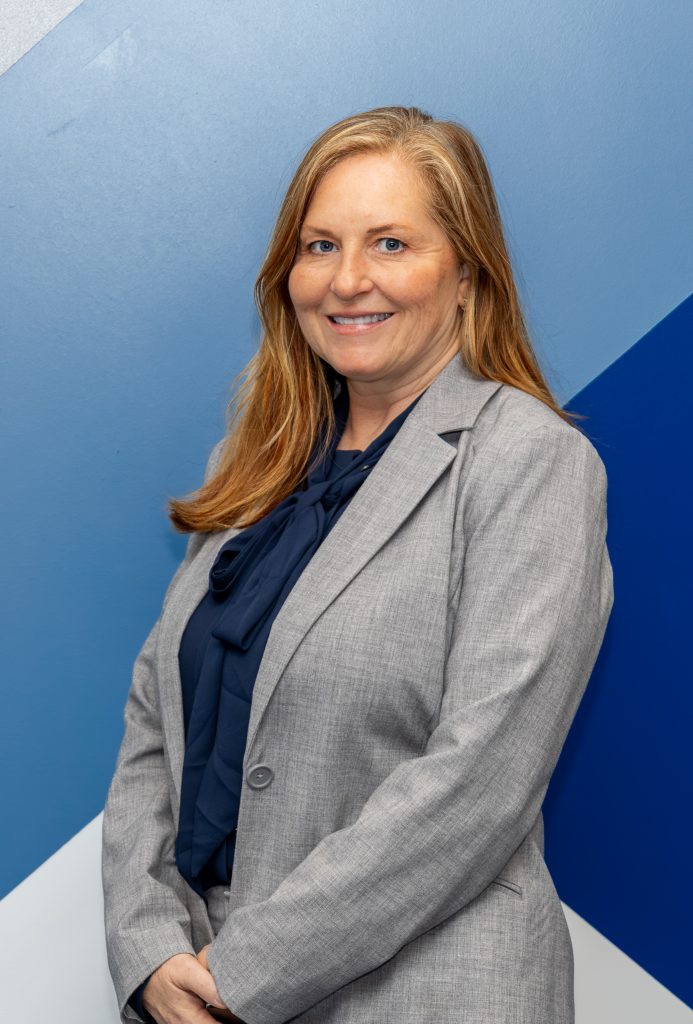
by Jessica Hughes Ford
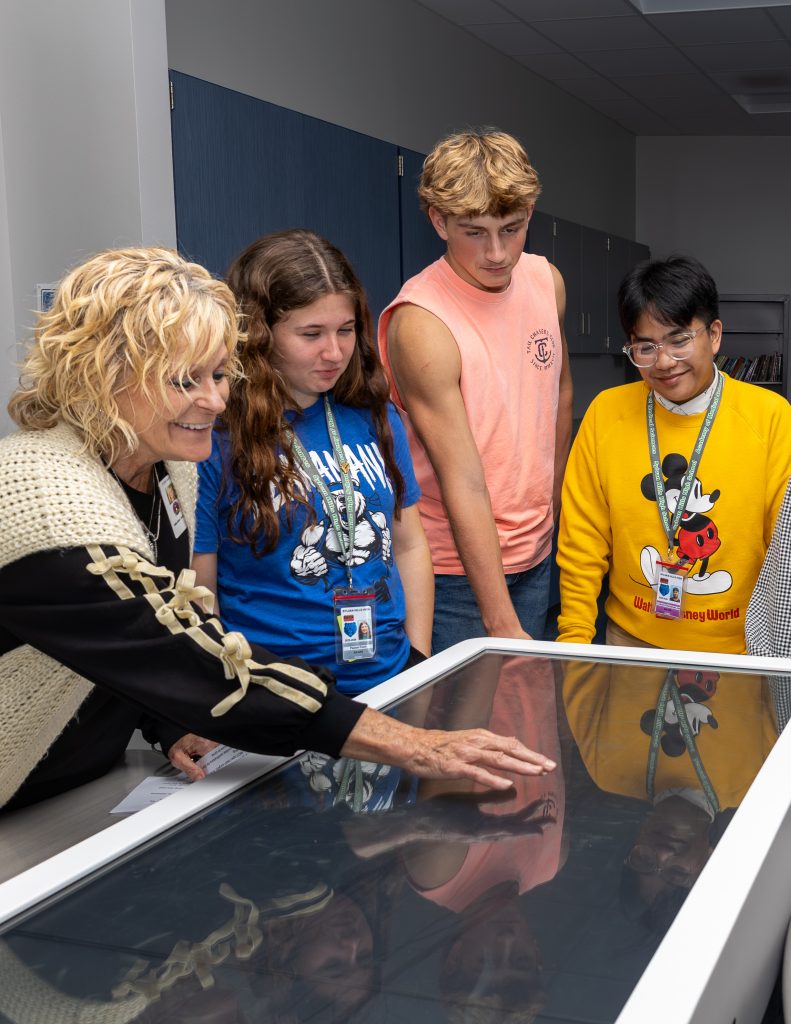
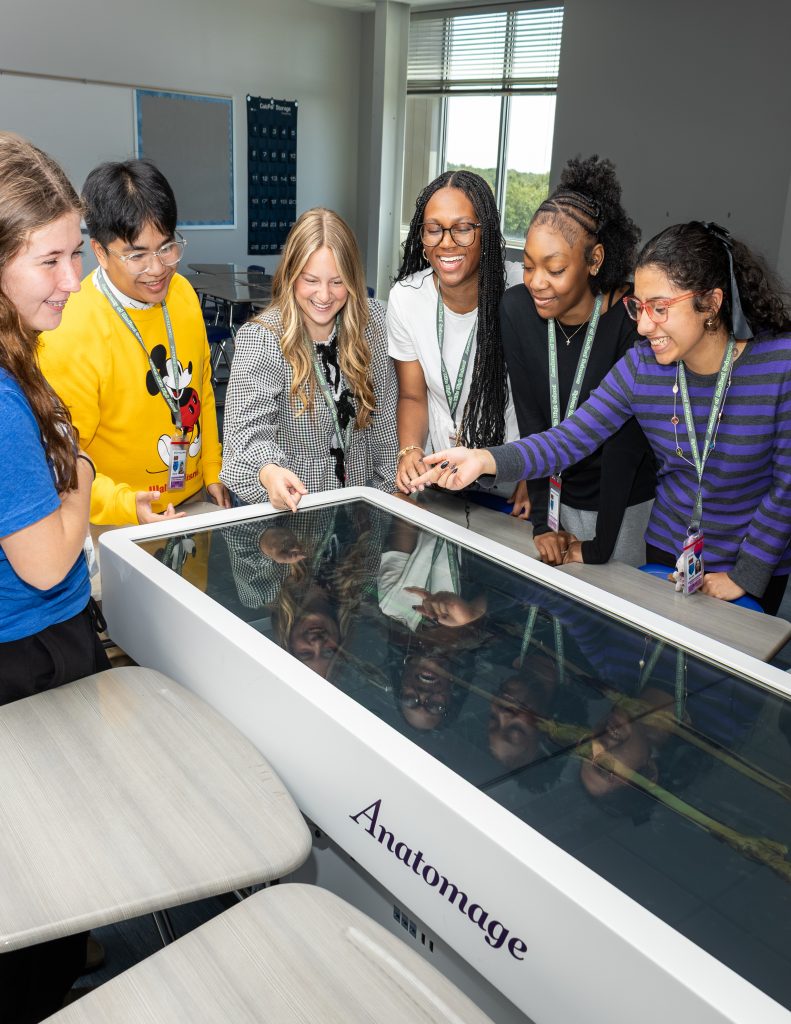
At Sylvan Hills High School in Sherwood, the future doesn’t feel distant. It hums in the hallways and feels very much present in the here-and-now. Students run gel electrophoresis in the lab, complete CPR and financial management training, and sit for mock interviews with local professionals. It is all part of the Academies of Central Arkansas, a relatively new model linking high school learning to real careers.
For senior Nathan Lam, the effect is personal.
“I’ve always wanted to help people,” he said. “Health care seemed like the place where you can directly do that. But I didn’t really know what that looked like until I got into this program.”
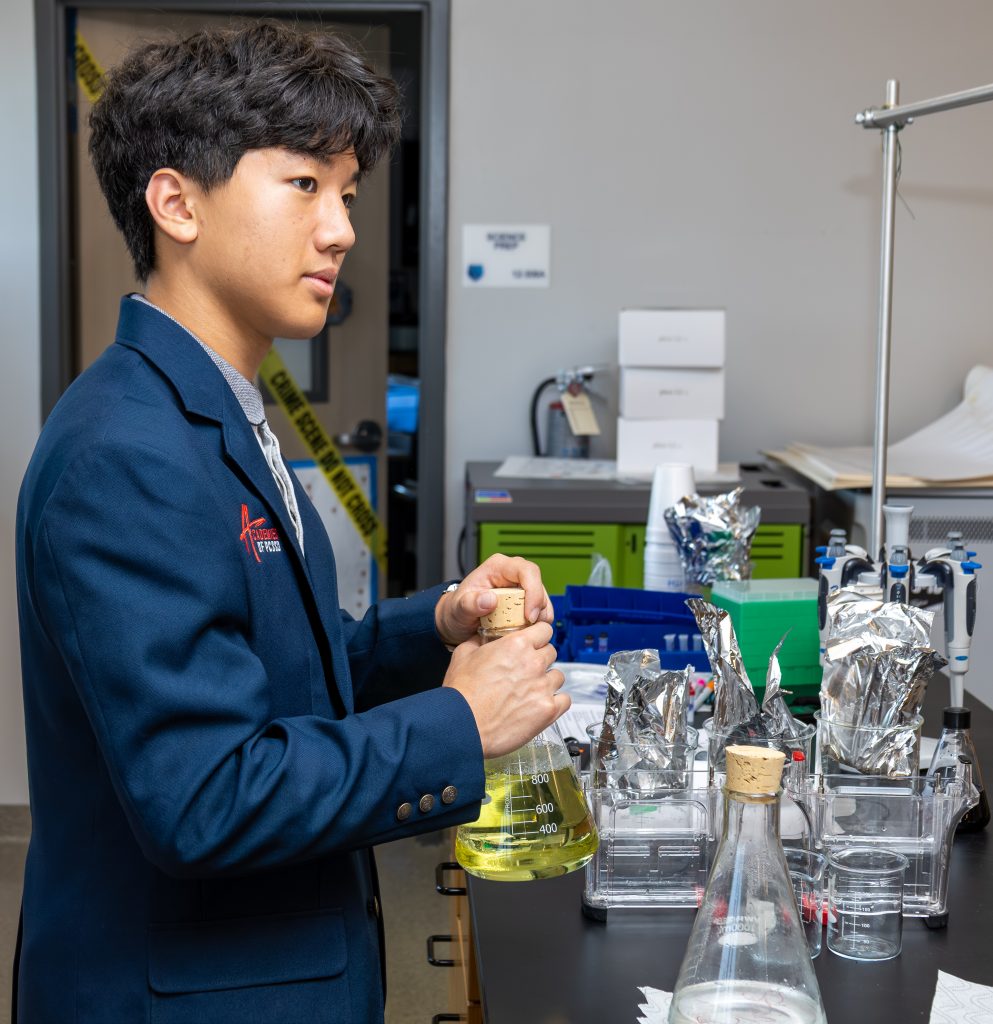
Through his pathway at Sylvan Hills, Lam has taken medical courses, job shadowed, and interned at Arkansas Children’s Research Institute, a partner of the Academies. There, he helped with a research project on RSV, a common respiratory infection in children and sometimes adults, and realized the lab was not daunting anymore. “I used a micropipette and did RNA isolation and thought, ‘Wait, I’ve done this in my classes.’ The hands-on work made me more confident.”
That word, confidence, comes up often among Sylvan Hills students.
Nathan credits his medical sciences teacher, Melissa Duncan. “I appreciate her humor and the way she answers questions until you get it. That makes you want to ask, which makes you want to learn,” he said.
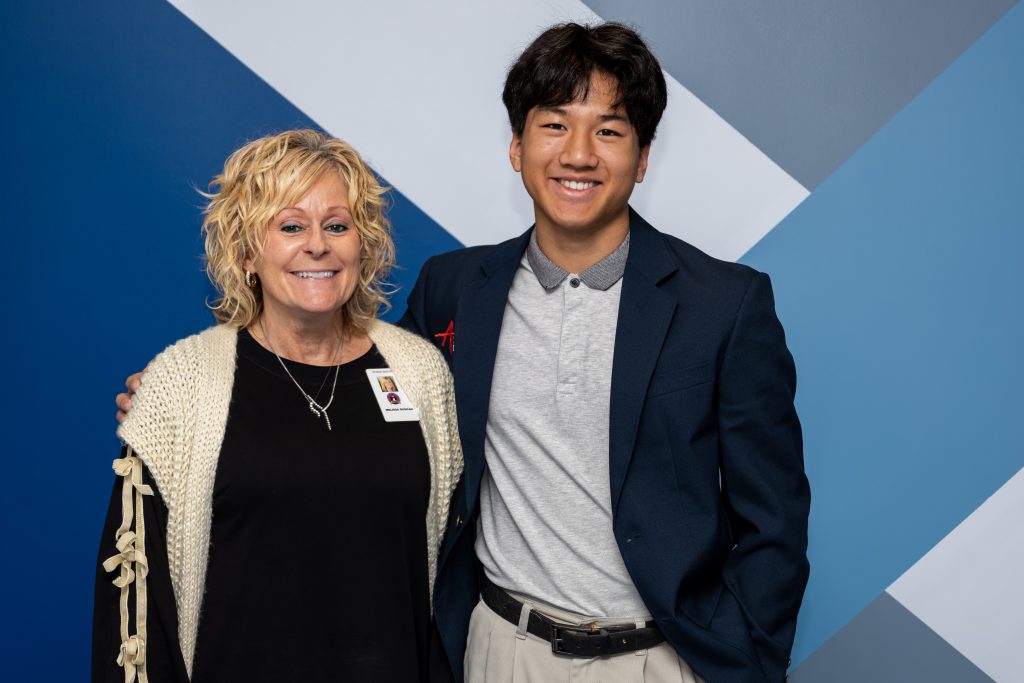
Melissa Duncan and Nathan Lam
Duncan, a veteran biology and AP instructor, has seen a major shift. “Before, even in AP biology, we did level-one labs,” she said. “Now my students are purifying proteins and talking about recombinant genes like it’s normal. That’s a shift from rote learning to doing.”
Partnerships make that possible. “I’m not a doctor; I don’t suture,” Duncan said with a laugh. “But with Academy partners, I got a physician in my classroom so students could try it. By doing so, they become confident,” she said. “They are steps ahead of most graduating seniors, and suddenly bigger goals don’t seem out of reach.”
Felicia Wheat, lead academy coach for Pulaski County Special School District, has been in her role for about three years. “In classrooms, teachers teach through the lens of a career,” she said. “In geometry, for example, you might apply formulas to calculate the cost of carpeting a room.”
Felicia Wheat, lead academy coach for Pulaski County Special School District
The Academies began locally in 2017, when the Little Rock Regional Chamber took four superintendents to Nashville, Tennessee to study its career-connected model. Nashville’s approach helped lift graduation rates and industry credentials. Central Arkansas became one of the few regions nationwide to adopt it across multiple districts, requiring coordination of class schedules, staff roles and planning. The up-front work has been significant, but it is paying off.
The Academies’ latest annual report shows:
• Industry-recognized credentials rose from 800 to 2,899 • 94 partners contributed almost 12,000 hours, valued at $1.17 million • Internships jumped from 112 to 894 in one year • Students earning 3 or higher on AP exams increased 38 percent
Enrollment at Academy high schools has grown three years in a row, a counter-trend in public education. “When students have real options, they are choosing our public high schools because of the experiences they get,” said Markous Jewett, president of the Academies of Central Arkansas Foundation.
At Sylvan Hills, three academies house multiple pathways, each led by a consistent team of adults who travel with students year to year. “Our campus grew from 680 to more than 1,500 students,” said Tracy Allen, principal at Sylvan Hills. “The academy structure created smaller learning communities so kids don’t fall through the cracks. Each academy has its own principal and counselor, and core teachers are aligned to academies.”
Soft skills are taught alongside technical training. Last year’s theme was networking. Teachers greeted students with handshakes, practiced professional introductions, and hosted a luncheon where students learned etiquette and talked with business leaders by career interest. This year’s theme is leadership.
Freshmen meet career experts; sophomores take industry tours; juniors complete job shadows, and seniors pursue certifications, capstones and internships with direct feedback from professionals. Local partners make it real and more successful. Arkansas Children’s alone invests thousands of hours, bringing marketing, HR, IT and clinical experts into classrooms while hosting internships and certifications. WER Architects and Michael Baker International, an engineering firm, co-teach standards and host tours in engineering. At Mills High School, steel fabricator Lexicon, Inc. transformed welding enrollment from 2 to 135 in 16 months by investing in onsite welding bays.
The message from partners mirrors what students hear in labs: high expectations and real purpose. As Patrikc Schueck, president and CEO of Lexicon, told a packed auditorium of construction and welding students, “This work is hard and we’ll push you. Whether you work for us or our competitors isn’t the point. Find your purpose and pursue it.”
For business leaders trying to bring more jobs and opportunity into the state, this is economic development in action. “When companies scout central Arkansas, their second question after land is workforce,” said Jewett. “Now local leaders can point to specific workforce pipelines and the number of projected graduates by field. These new employers bring revenue back to districts, strengthening schools and neighborhoods in a full-circle way.”
There are deeper hopes too, like deterring youth involvement in harmful paths by showing them real futures. Teachers and students alike consistently attribute the transformation using the same word: confidence.
Ask Lam the greatest thing the program has given him: “Confidence,” he said. “Research used to be scary. Now the lab feels familiar. Interviews feel doable.”
Duncan smiles at that. “If they are frustrated, they are learning,” she said. “This program gives kids the chance to struggle productively, but we are setting them up to succeed in real life.”
The Academies of Central Arkansas are not just building resumes. They are building the state’s workforce and the confidence for a brighter future.
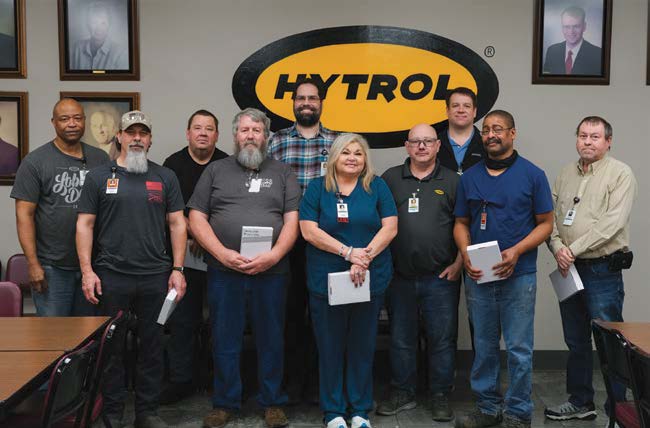
Phillip Poston, Hytrol Chief Development Officer
What inspired Hytrol and the other manufacturing partners to establish the Workforce Training Consortium Endowment? This endowment began with my grandfather’s belief that workforce development was the key to long-term community success. He understood that Hytrol’s investment in the workforce solely for the benefit of our company wouldn’t create the larger impact our region needed. By bringing manufacturers together, there was a multiplier impact on the resources that could provide more advanced training options with better accessibility than any of us could achieve on our own. We do this work not for the recognition, but rather because Community is one of our core values. We believe in doing the right things for the right reason.
Why did you choose to structure this investment as an endowment? Another core value of ours is Commitment, which we define in part by taking the long-term view. An endowment ensures this commitment doesn’t end after a few years of investment in workforce development. It allows us to continually reinvest in employees, students, educators, and training programs making this work part of the fabric of our community, no matter how specific needs change over time.
Hytrol is known for being a leader in manufacturing. How does supporting workforce training through philanthropy fit into your company’s overall mission and values? At Hytrol, we create material handling technology and relationships that move the world, but it’s the people and communities behind each relationship that drive our philanthropic commitment. Supporting workforce training through philanthropy reflects our values of stewardship, responsibility, and partnership. It’s our way of extending opportunity, not just for our company but for every business and individual in our region.
Since its creation, the fund has already granted nearly $83,000 back into the community. How have those grants made an impact? The projects funded through this endowment show both the diversity of our region and the creativity of our educators. The impact goes farther than Craighead County and includes initiatives in robotics engineering programs, manufacturing camps for middle school students, career awareness projects, scholarships for engineering camps, software, and virtual reality headsets. Each project creates a spark — helping students imagine career pathways and giving teachers new ways to prepare them for the workforce.
Why was Arkansas Community Foundation the right partner to hold and manage this endowment? The Community Foundation’s mission of building stronger communities is at the heart of our efforts, too. Their local presence means decisions are guided by people who understand our workforce needs firsthand. My wife currently serves alongside other leaders in our community on the Craighead County Community Foundation board, and I have been a past member. We know how this organization functions, and we actively work to continue supporting others who also invest.
What do you see as the biggest workforce challenges facing Arkansas right now, and how do you hope this endowment helps address them? One of the biggest challenges is preparing students early enough so they can intentionally pursue career pathways, whether in manufacturing, engineering, or other fields critical to Arkansas’ future. Another challenge is making sure the labs and spaces for learning are state of the art. These funds help bridge those gaps, by investing in projects that expose students to careers and empower teachers to bring learning to life in innovative ways.
Looking ahead, what is your ultimate hope for this fund? My hope is that the funds from this investment will make a huge impact for decades to come because they help people create a better life for themselves. Workforce development is crucial for business, but at the heart of the issue is creating opportunities for people in our community to have meaningful work and live their lives to the fullest. We know that when students, employees, and educators are living this kind of life, our businesses are going to be successful, and our community is going to thrive for generations.
by Jessica Hughes Ford
At the Johnson County Library in Clarksville, books are just the beginning. Today, the library has become a lifeline for residents seeking the skills and confidence to enter or reenter the workforce.
For library manager Jimmy Ritchie, the mission is rooted in home. He grew up visiting this library with his mother, discovering the world through books and finding a sense of belonging. Now he is paying that forward. He is committed to making the library a bridge to opportunity for neighbors who need a hand, a skill or simply a place to start.
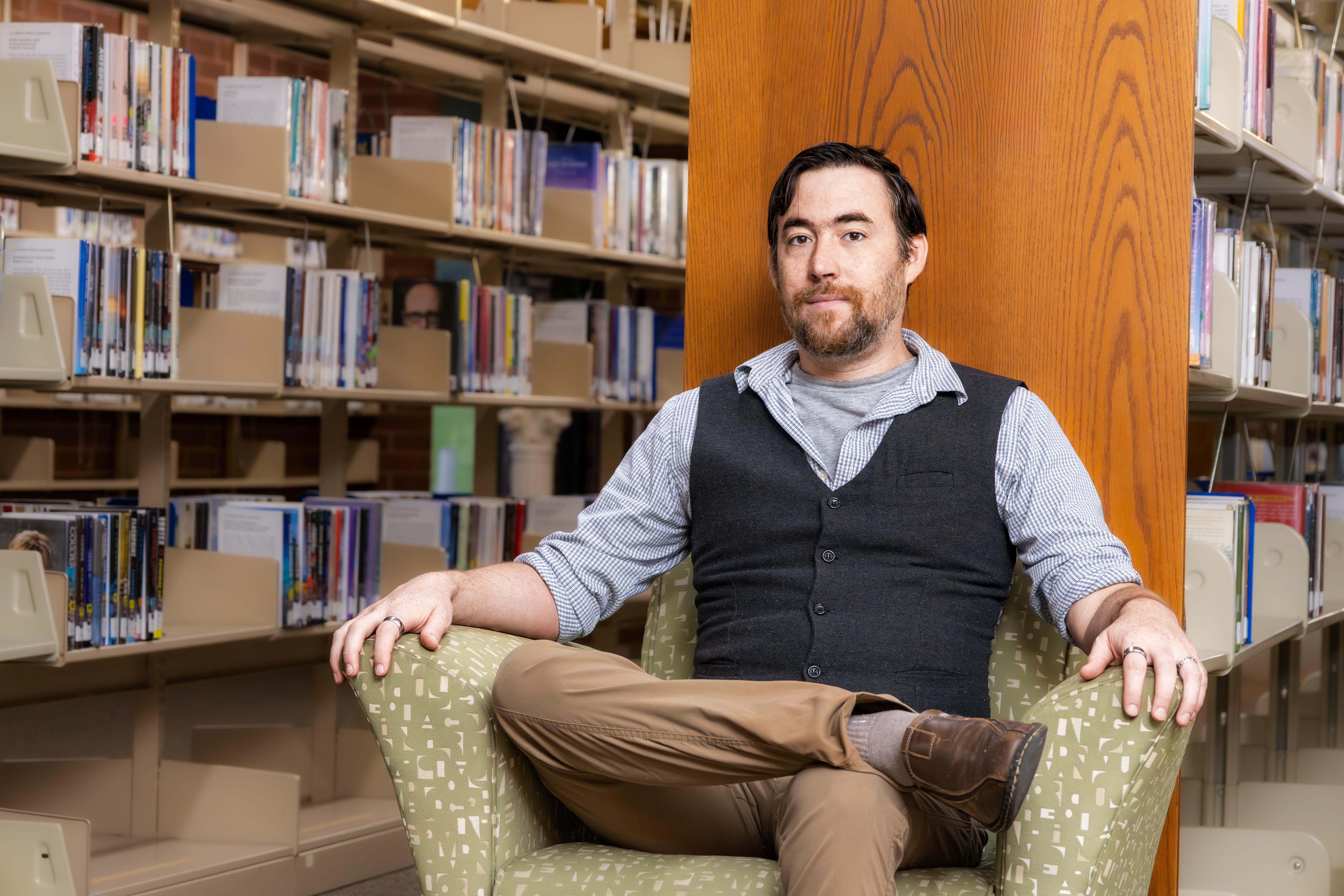
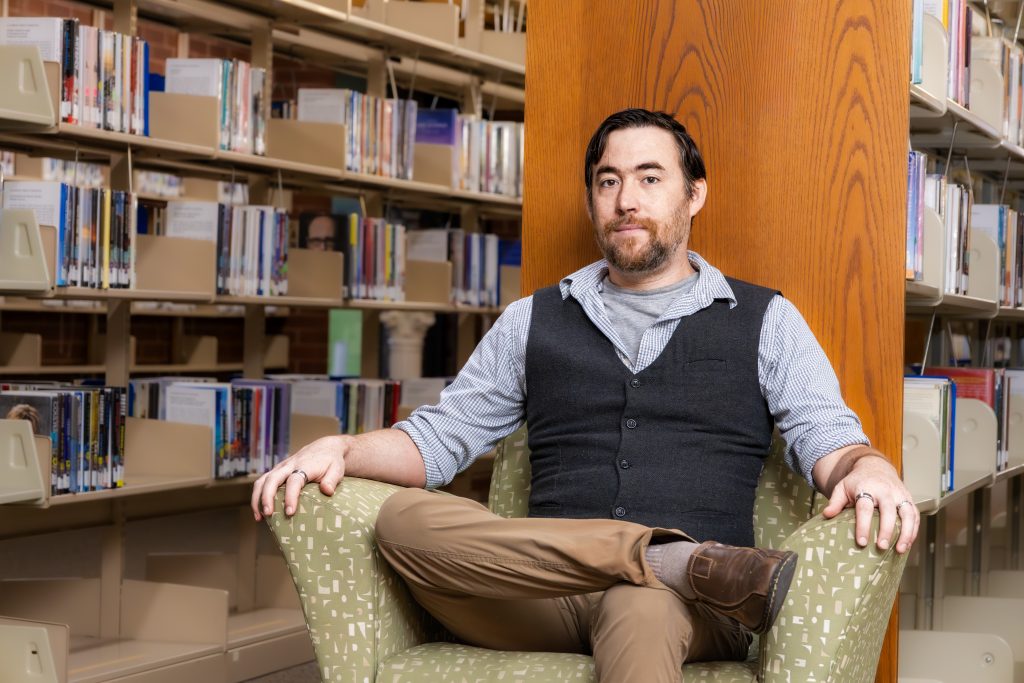
Jimmy Ritchie, Johnson County Library Manager
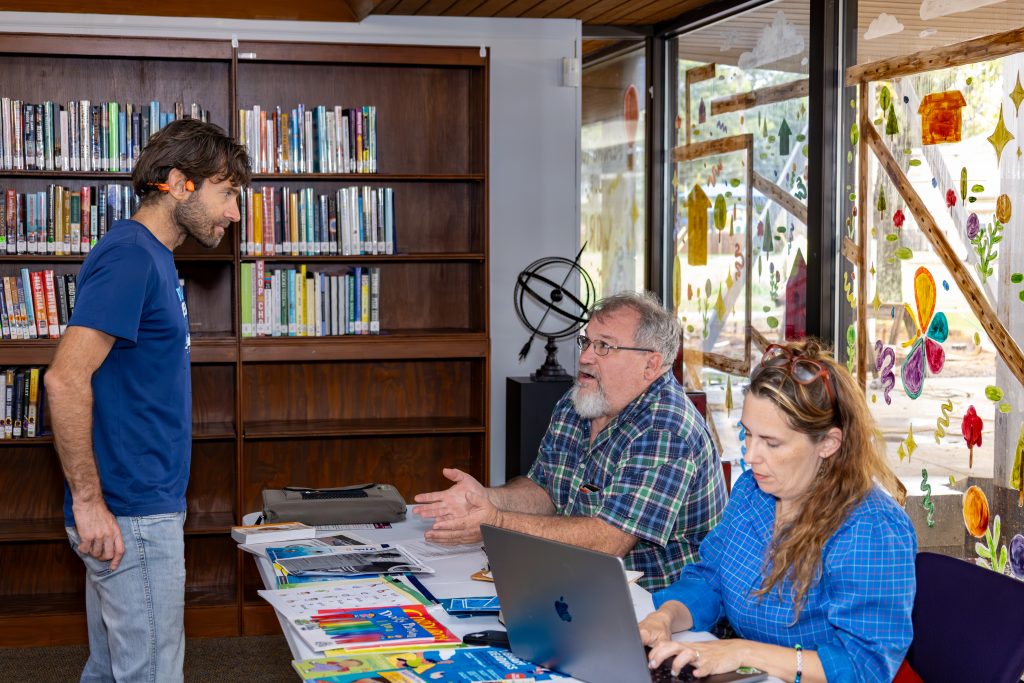
The library started Technology Tuesdays, a kind of tech support to help senior citizens, but demand quickly spread. “It’s turned into every day of the week,” Ritchie said. “People just show up, and we might see five to 10 in a week, sometimes more, to get help with their cell phones or laptops.”
When clothing manufacturer Hanes closed its Clarksville plant in 2023, more than 230 workers lost their jobs. The ripple effects hit families across Johnson County. The library responded with Workforce Wednesday, a program connecting jobseekers with local employers, résumé help and interview coaching.
“One woman who lost her job at Hanes came here, and we helped her build a résumé and apply for jobs online. She’d never done that before,” Ritchie said. “She got hired at Walmart, and told us she was so grateful because it meant she didn’t lose her home. That’s the kind of difference we want to make.”
Ritchie sees libraries as more than a quiet place to find books. “I’ve always viewed libraries as a community hub where people come together,” he said. “With the cost of living so high, many can’t afford computers, books or even internet access. We provide both, and a safe environment where they can find support. When it comes to workforce and career readiness, we can step in and be part of the solution.”
Collaboration has been key. The library partners with:
• Staffmark, a staffing agency that hosts monthly on-site job fairs and interviews. • The River Valley Adult Learning Alliance, where Ritchie serves on the board, connecting adults with tutoring, laptops and Wi-Fi hotspots. • The Johnson County Chamber of Commerce, which teams up on workshops and community programs.
Another valuable resource has been DigitalLearn.org, an online platform created by the Public Library Association. Their free courses cover everything from basic searches and email to Microsoft Word and cloud storage. Participants who finish receive a certificate to document their skills.
Ritchie hopes the short-term impact is simple: helping residents find jobs and gain confidence. But his long-term vision is broader. “I want to connect people to success and to living a life of worthiness and purpose,” he said. “If people can thrive here, they won’t feel like they have to leave Johnson County to find other opportunities.”
With new businesses moving in, along with downtown revitalization and the Chamber of Commerce promoting local tourism, momentum is building. The library is doing its part by showing how workforce development can strengthen not just individuals, but entire communities.
For Ritchie, working at the same library his mother once brought him to as a child is especially meaningful. “Reading and literacy are transformational,” he said.
“Those skills can take you anywhere. Now I get to give back to the community I grew up in and help others unlock their potential. Because you never know what someone is capable of accomplishing.”
In Johnson County, opportunities are not only found in classrooms or job sites. Increasingly, they start at the library, a community hub where people gain the tools, the confidence and the hope to build a brighter future.