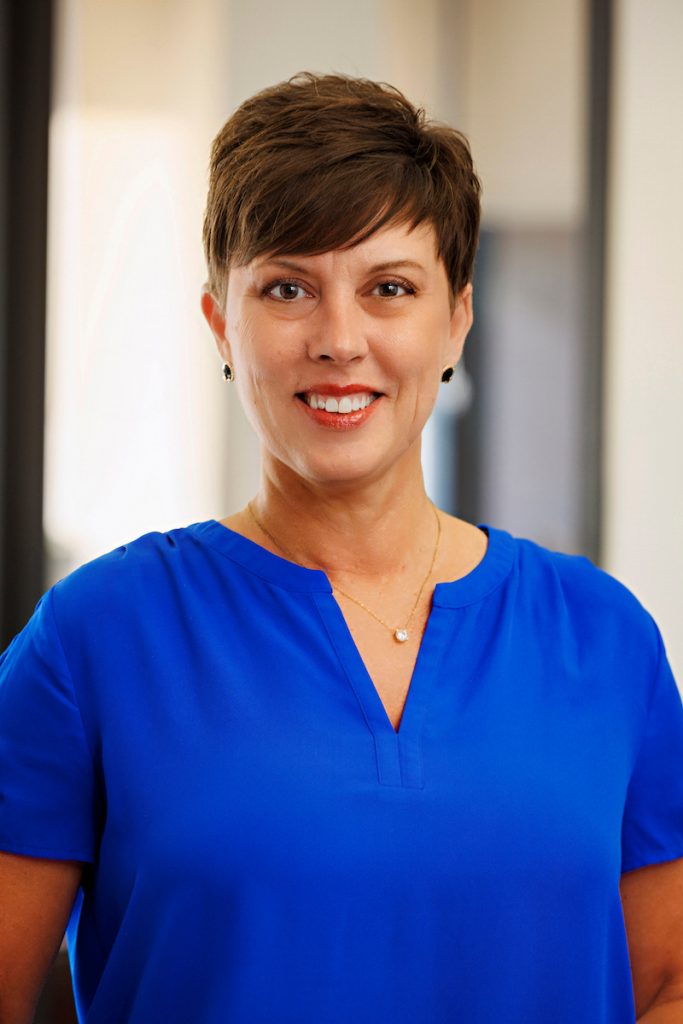
by Andrew Parker, Executive Director at Be Pro Be Proud Arkansas

Be Pro Be Proud Arkansas is a statewide workforce initiative designed to change perceptions of technical professions and connect students with high-demand, high-wage career opportunities.

Founded in 2016 by the Arkansas State Chamber of Commerce and the Associated Industries of Arkansas, the program addresses one of the most pressing challenges facing the state: a shortage of skilled professionals in industries critical to economic growth.
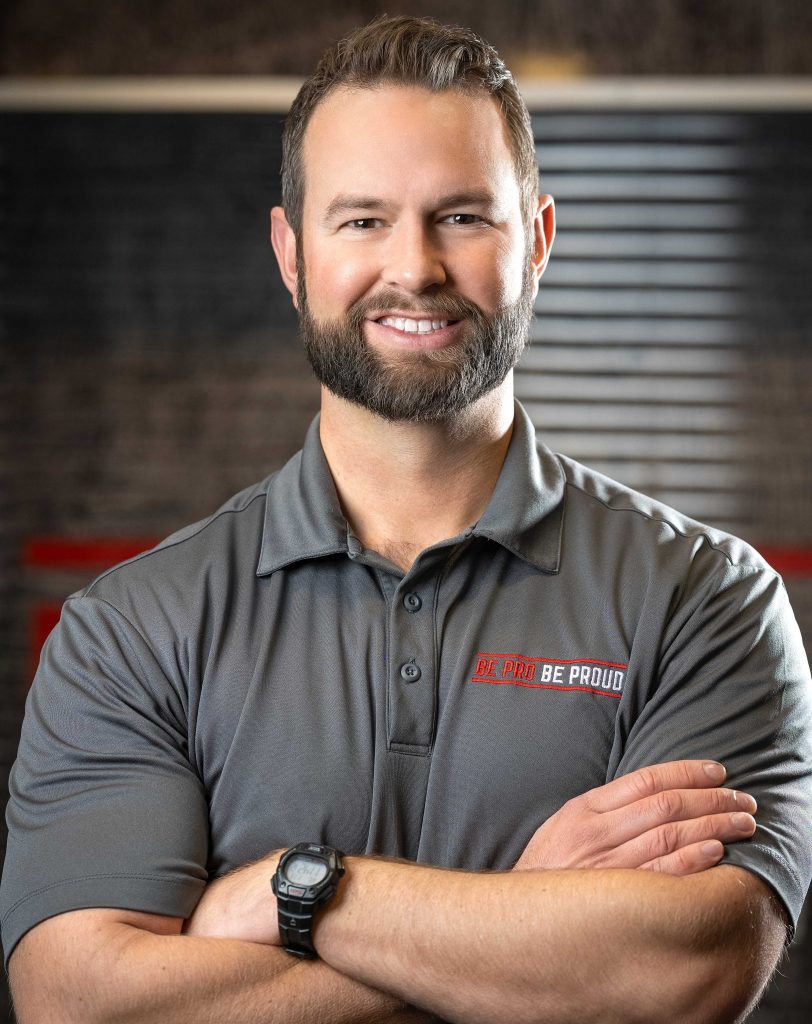
Andrew Parker, Executive Director at Be Pro Be Proud Arkansas

From construction and manufacturing to transportation and utilities, technical professions are the backbone of Arkansas’ economy. Many students are unaware of the stability, competitive pay, and advancement opportunities these careers provide. For years, cultural emphasis has leaned heavily toward four-year college degrees, leaving trade-based pathways undervalued and underexplored. Be Pro Be Proud Arkansas was launched to help reverse this trend by bringing awareness, resources, and interactive experiences directly to students.

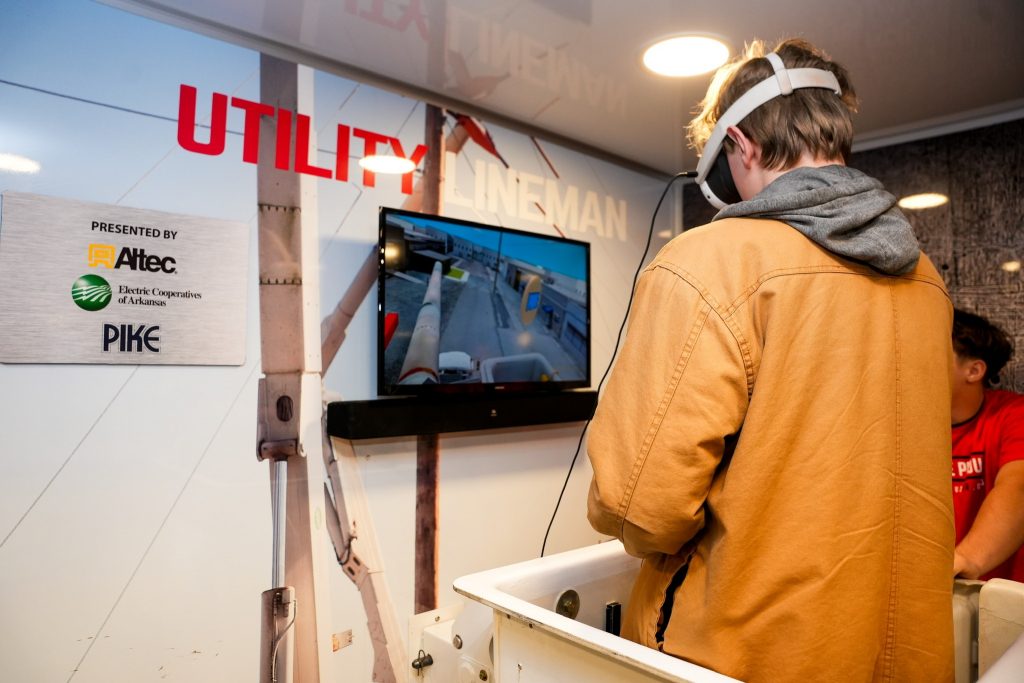
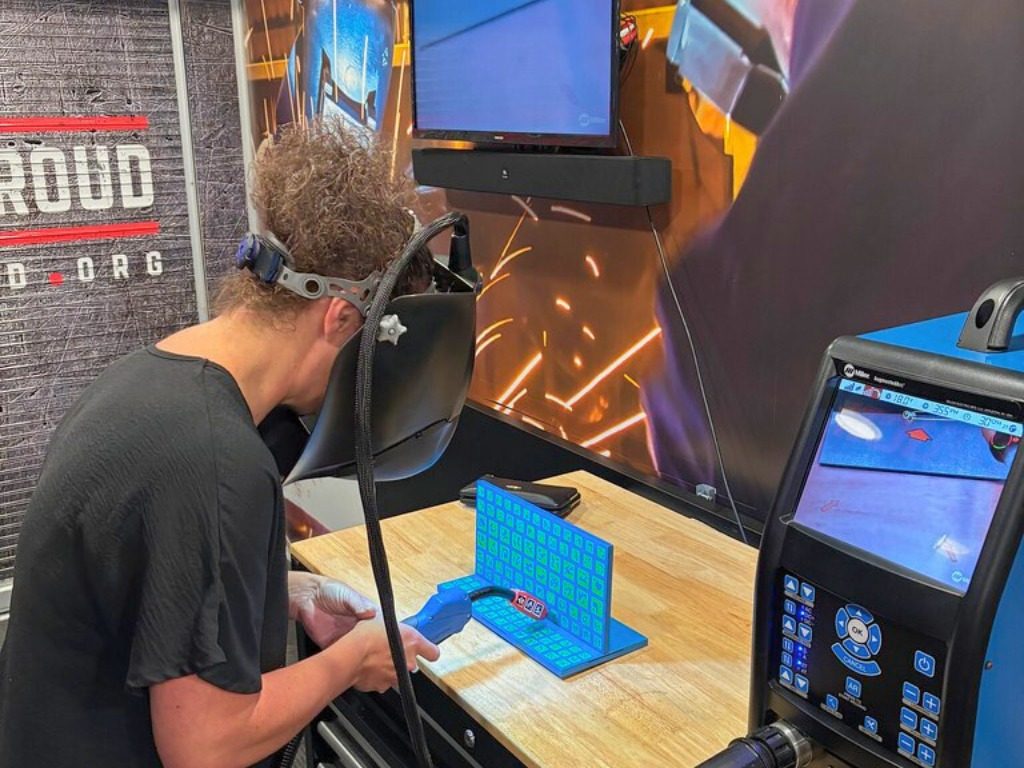
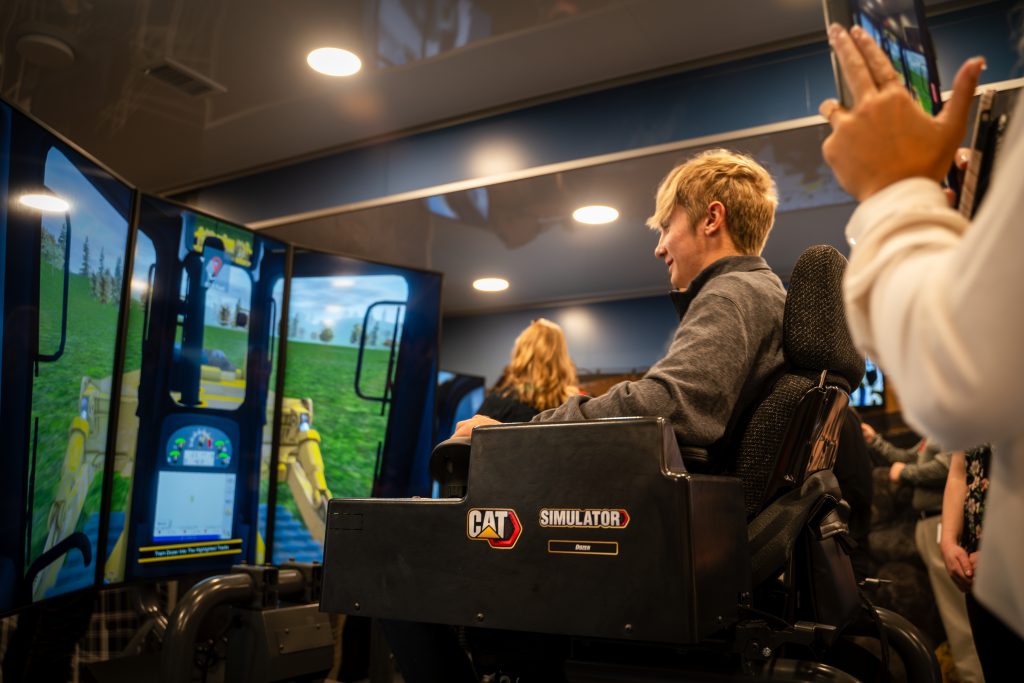
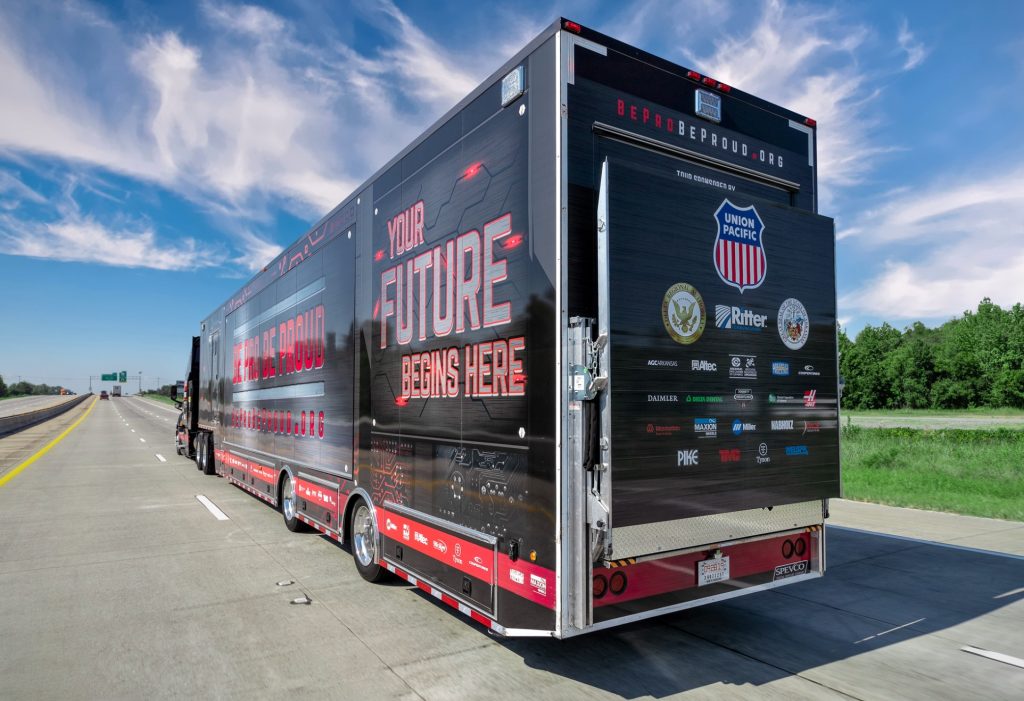
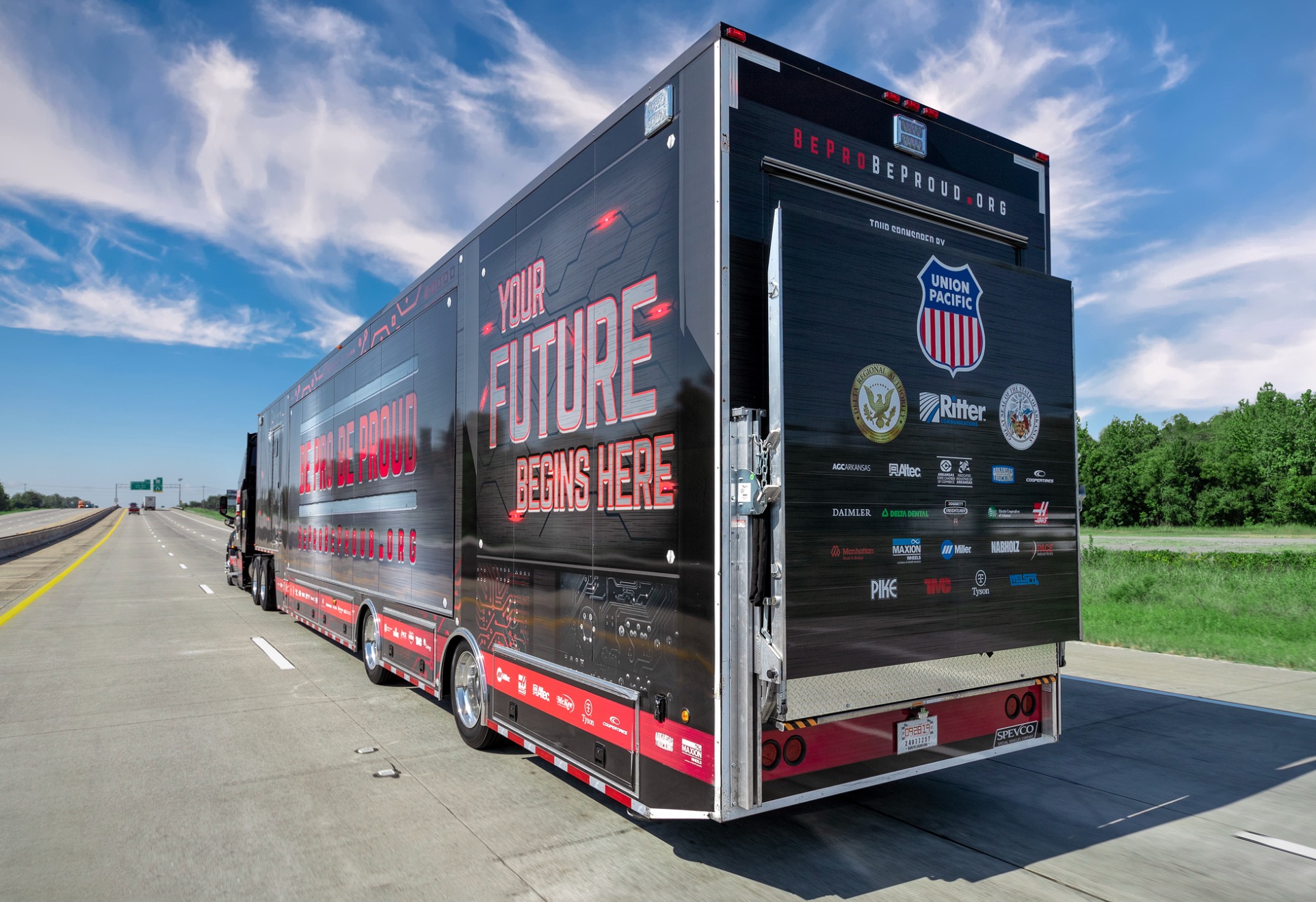
A Mobile Workshop on Wheels The most visible part of Be Pro Be Proud Arkansas is its innovative Mobile Workshop, an interactive, high-tech trailer that travels to schools, community events and career fairs across the state. The workshop functions like a mobile career exploration lab, packed with virtual reality simulators and interactive exhibits that give students a feel for what it’s like to operate heavy machinery and robots, weld, work as a lineman, drive a commercial truck, electrify a football field, fix a sprung leak and many more.

For many students, these simulators are the first exposure to careers they may not have considered. The mobile unit allows participants to “test drive” professions in a safe, engaging environment, while learning about salary ranges, required certifications, and pathways to employment. By demystifying technical professions and showing the skill-based nature of the work, the mobile units capture students’ interest and helps shift outdated perceptions.

Building Awareness and Changing Perceptions
At its core, Be Pro Be Proud Arkansas is not just a recruitment effort; it’s a cultural campaign. The initiative emphasizes that technical professions are not “second choice” careers, but rather viable, rewarding options that provide stability and advancement. The message is clear: professions in manufacturing, construction, transportation, and utilities are essential to Arkansas’ future, and industries need the next generation of talent to thrive. These are careers that AI won’t replace.

Connecting Students with Opportunities
Beyond awareness, Be Pro Be Proud Arkansas is dedicated to connecting students directly with career opportunities. Employers across the state partner with the initiative to help identify talent pipelines, support workforce development, and introduce students to real-world opportunities. The program hosts events, job fairs, and networking opportunities where students can meet industry leaders, learn about apprenticeships, and explore pathways tailored to their skills and interests.

One standout feature is the organization’s Draft Day events, where high school students are paired with employers for interviews, internships, and job placements. Much like an athletic draft, students are celebrated for their talents and are allowed to step directly into the workforce. These events create excitement while reinforcing that technical professions are valuable and honorable career paths.

A Model for Other States
The success of Be Pro Be Proud Arkansas has attracted national attention. Since its founding, the program has expanded to inspire similar efforts in six states. Arkansas’ model serves as the blueprint. It shows how state and industry-supported initiatives can address workforce shortages while also transforming cultural perceptions.

The Impact
The impact of Be Pro Be Proud Arkansas is significant and growing. Each year, thousands of students interact with the mobile workshop and participate in outreach events. Teachers report that the program opens their students’ eyes to possibilities they had not previously considered, while employers see new energy entering their industries.

Arkansas faces an aging workforce. Many skilled workers are approaching retirement age, creating an urgent need for young talent. Be Pro Be Proud is helping close that gap by equipping students with knowledge, confidence and access to pathways that lead to stable, fulfilling careers.


By Jody Dilday, Philanthropic Advisor

Many people are surprised by the wide range of giving options available at the Community Foundation, including donor-advised funds (DAFs). If you already have a DAF with a national financial institution, you can even transfer it here.

Why choose a donor-advised fund at the Community Foundation?

  • All the basics you expect: online access, easy grantmaking, consolidated reporting, and tax benefits including bunching strategies.
  • Plus what national firms can’t provide:
    • Local knowledge and personal guidance from staff who live and work here.
    • Deep relationships with nonprofits across the region.
    • Tailored advice and opportunities to collaborate with others who share your interests.
    • Administrative fees that directly support local philanthropy.

October 9 is National DAF Day 2025—a chance to celebrate the impact of donor-advised funds everywhere. If you haven’t set one up yet, we’d love to help. And don’t forget, you can always add to your fund. At the Community Foundation, your fund will be managed with care, rooted in community knowledge, and focused on achieving the impact you envision—today and for generations to come.

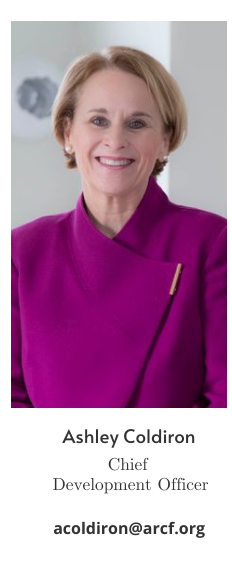
By Ashley Coldiron, Chief Development Officer

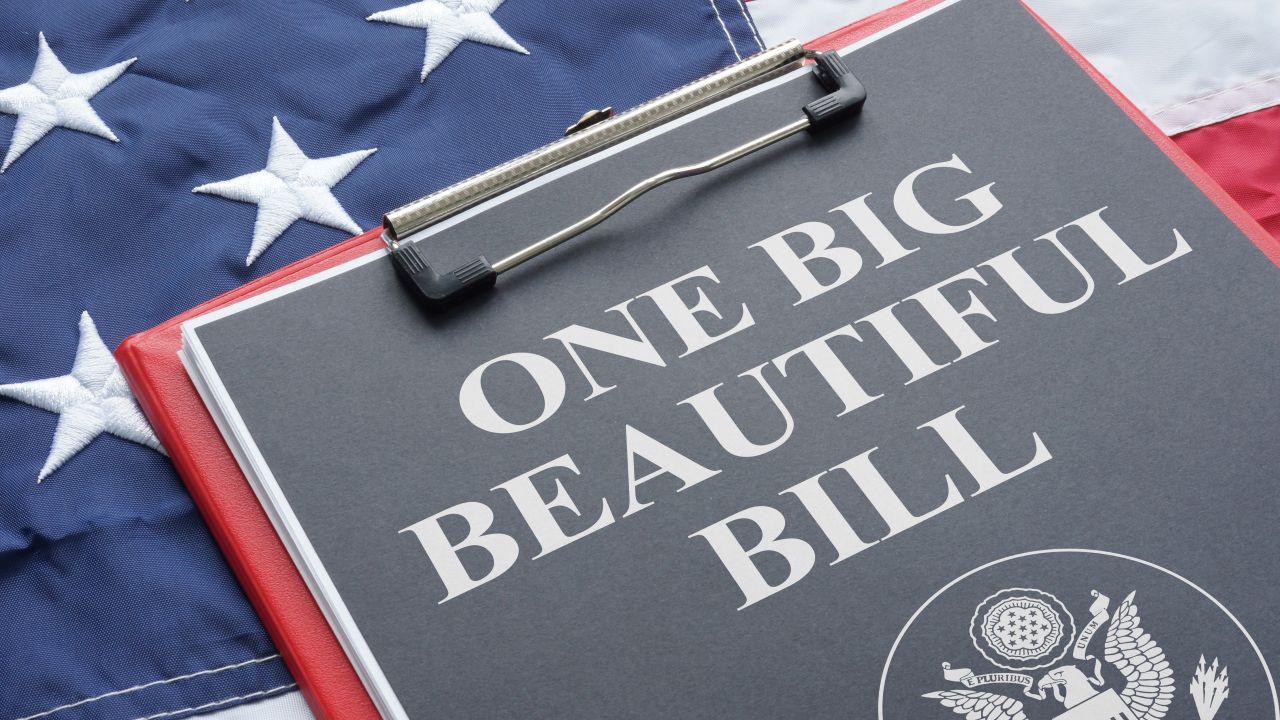
With just a few months left in 2025, now is the time to review your charitable giving strategy, especially in light of the new One Big Beautiful Bill Act (OBBBA). Here are three tips to discuss with your advisors (and with us—we’d be glad to join the conversation):

  • Take advantage of 2025 itemizing rules. This year, itemized deductions are more favorable. Consider “bunching” gifts into your donor-advised fund now, then support your favorite charities in future years. Add to your fund.
  • Remember the basics. Appreciated stock and IRA beneficiary designations remain tax-smart giving strategies.
  • Know your QCD options. If you’re 70½ or older, you can transfer up to $108,000 tax-free from your IRA directly to a qualified charity, including certain funds at the Community Foundation.

We’re honored to be your partner in charitable planning. Reach out anytime—we’re here to help.

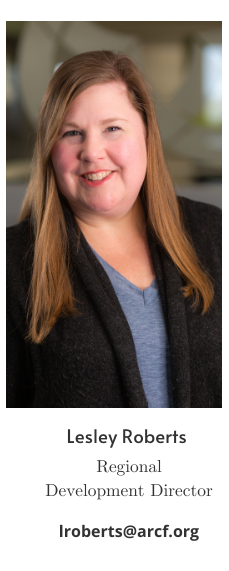
By Lesley Roberts, Philanthropic Advisor

At the Community Foundation, we help individuals, families and businesses support the causes they care about—today and for the future.

When you establish a donor-advised fund or other type of fund, you likely have favorite charities in mind. Our team can help you continue supporting those organizations and introduce you to new opportunities that align with your values. But another important question to consider is:

How long do you want your charitable dollars to be at work?

Here are a few key questions to guide your giving plan:

  • Do your priorities address immediate needs, long-term needs, or both?
  • Would you like your children or grandchildren to guide the fund in the future?
  • Do you want to see the results of your giving now, or create a legacy beyond your lifetime?
  • How do tax savings, estate planning, or retirement income goals factor in?
  • What balance feels right between near-term impact and permanent endowment?
  • What would success look like for your fund in five years—or fifty?

Many donors choose a combination of strategies, such as:

  • A donor-advised fund to organize annual giving and use “bunching” for tax benefits.
  • A designated fund to support a favorite charity in perpetuity.
  • Annual gifts to your community’s Giving Tree Endowment to meet future needs.
  • Beneficiary designations on IRAs or retirement plans to sustain giving beyond a lifetime.

Our team is here to help you craft a plan that reflects your vision—whether that means lasting forever, making a difference right now, or both.

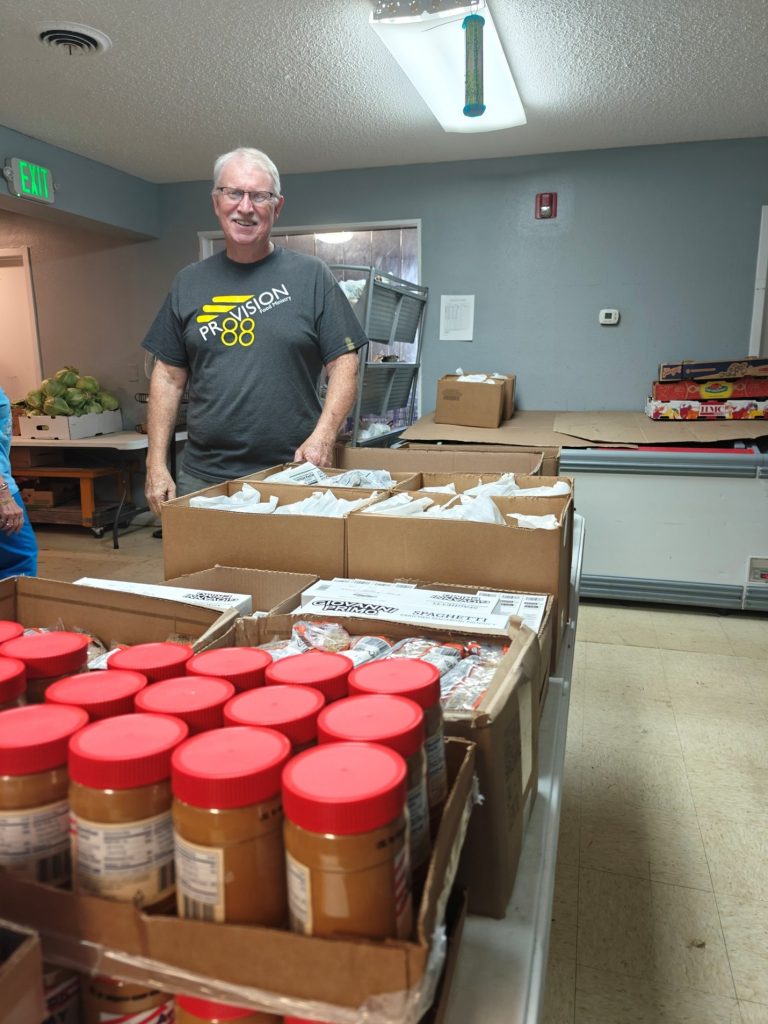
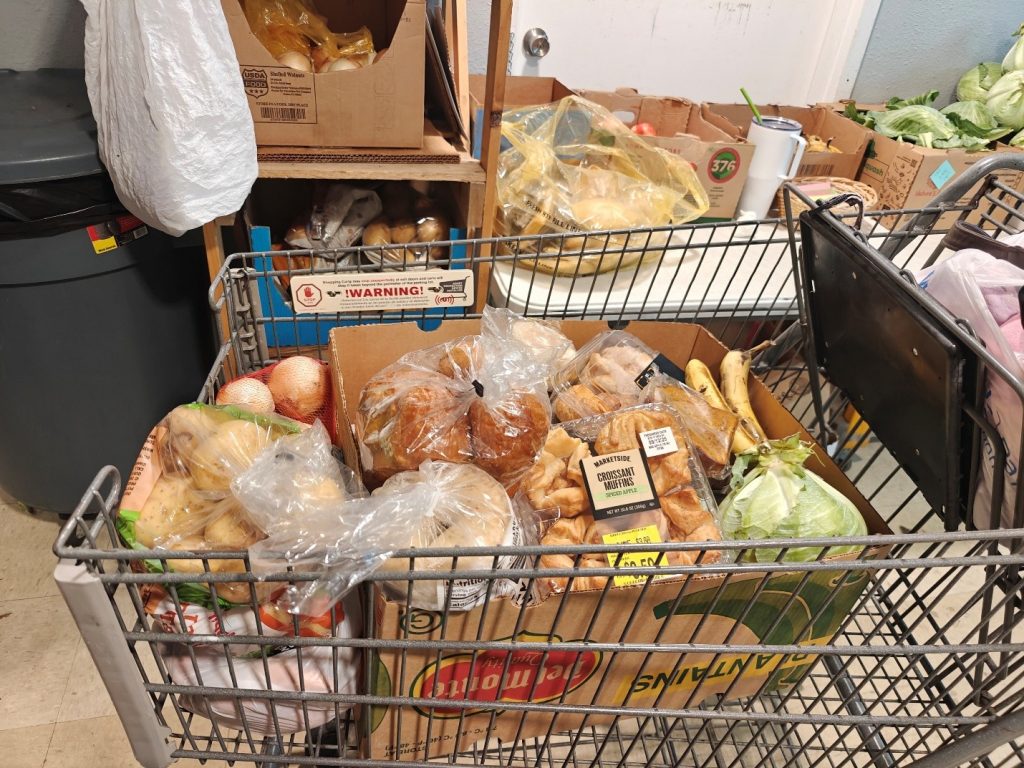
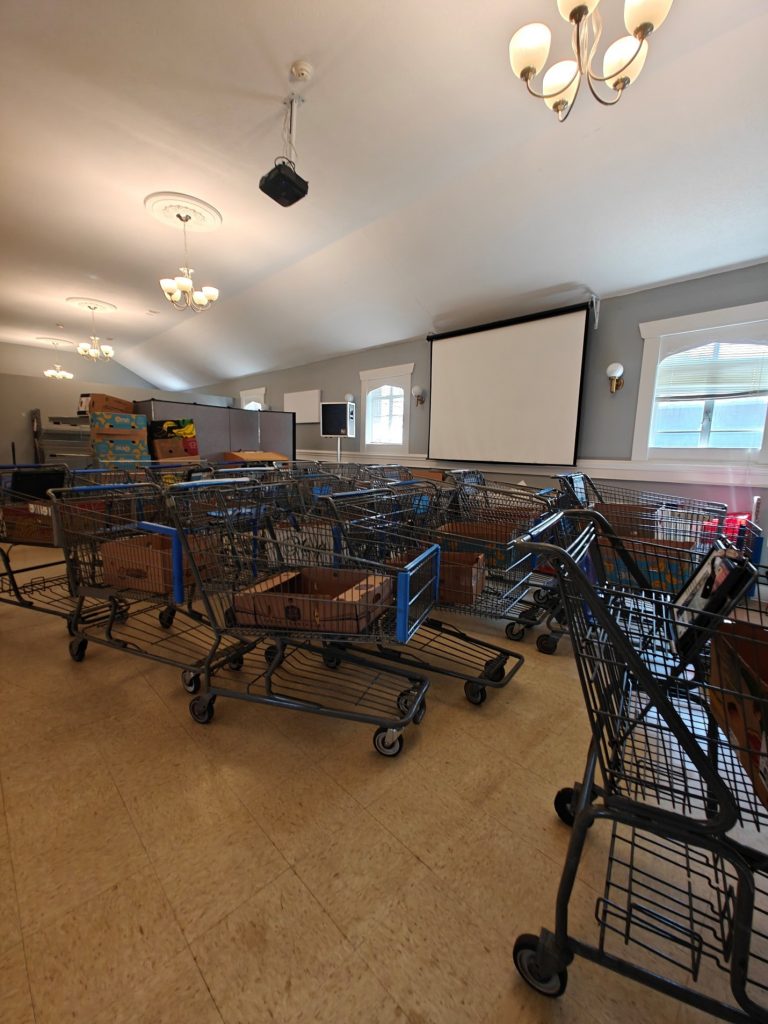
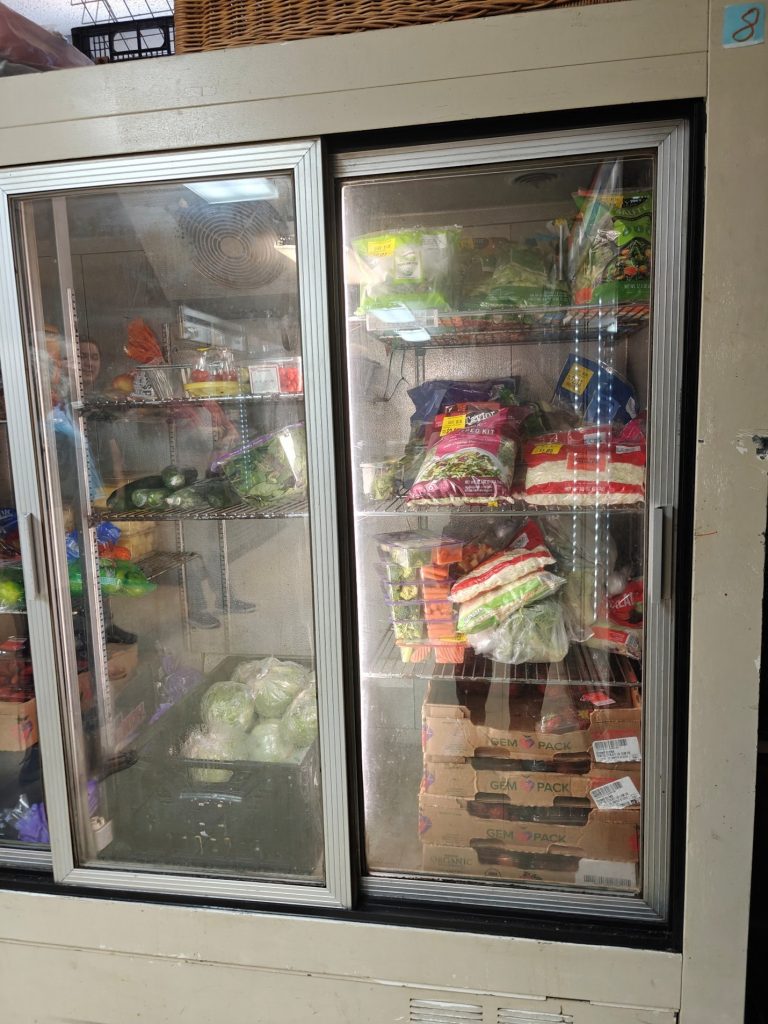
Provision 88 is a food pantry serving the Jonesboro area.  It’s also a place of hope, dignity, and choice for those in need. What began inside the Refuge Church of the Assemblies of God quickly outgrew its original space, where volunteers had to set up and break down the pantry each time it operated. Recognizing the growing demand, the church purchased a small building just behind their main building. Now, Provision 88 has a permanent home and room to expand its mission.

Alan Decker, Director of Provision 88

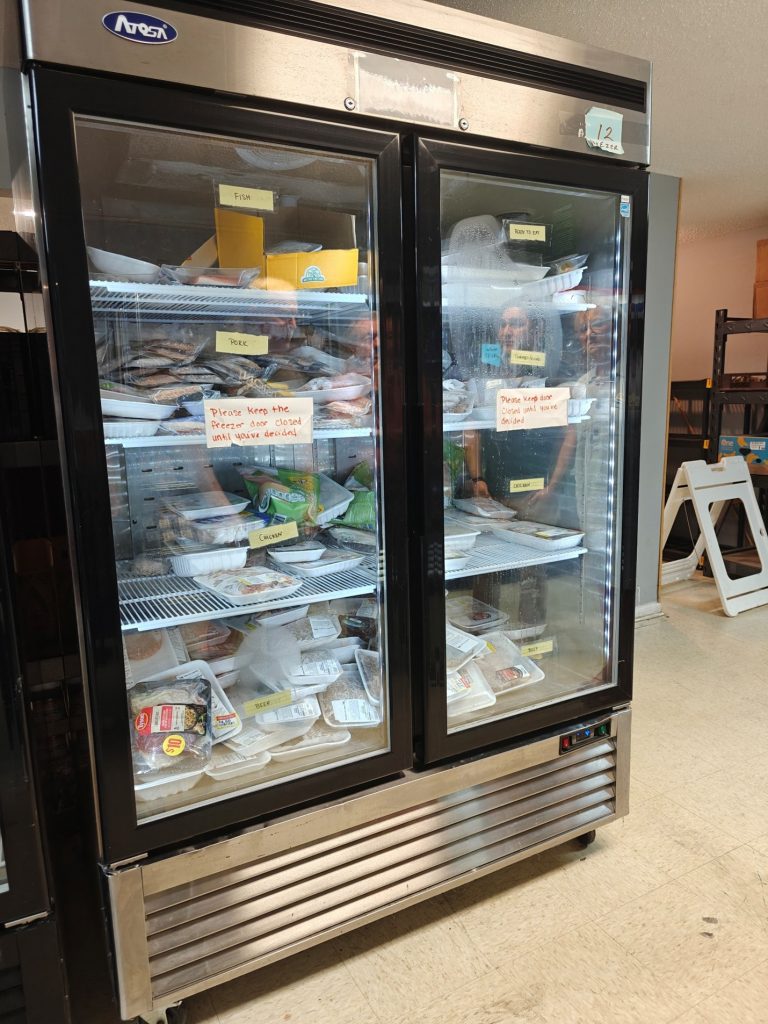
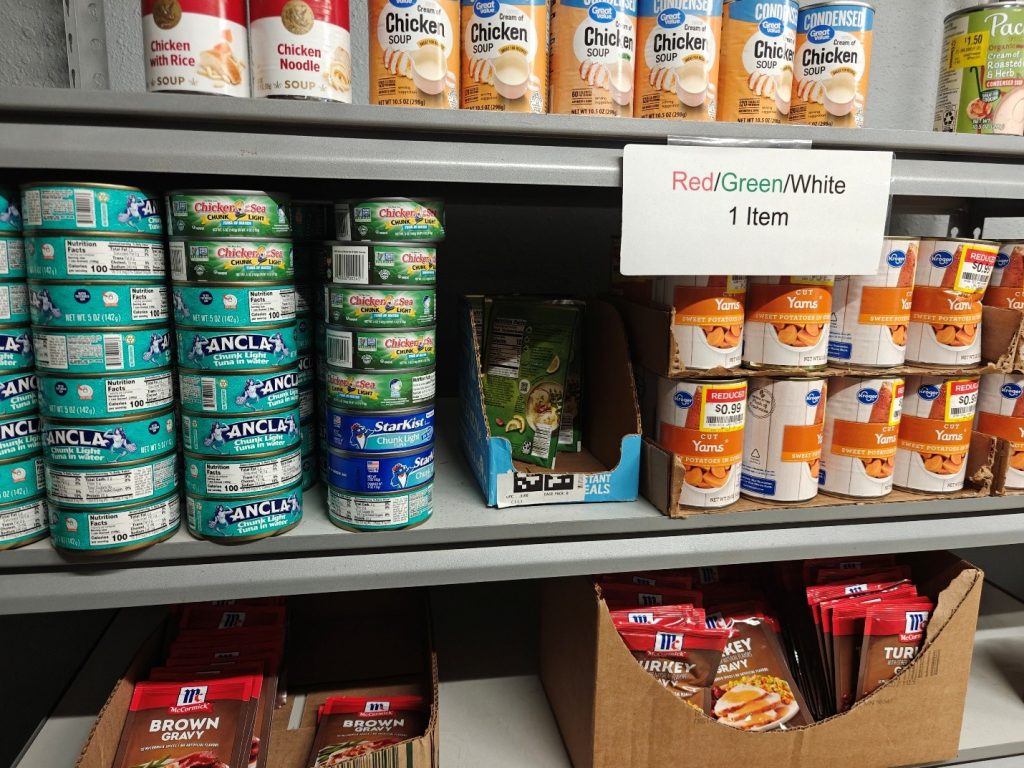
Once entering, a visitor is triaged in and assigned a certain number of items based on household size.  They are able to grab a shopping cart and grab what is available for their homes with what is right for them and their family. This is one of many ways that the operation gives dignity and choice while decreasing waste and potentially discarded foods. They “meet people where they are” in the their personal situations, providing nourishing well-balanced food options and a hot meal from their fully functioning kitchen. 

Provision 88 serves a wide range of neighbors, but more and more are senior citizens and single-parent families who rely on the pantry to help their households get through. Last month, over 800 families were served. The pantry is funded and stocked through a mix of community donations, contributions from major grocery stores and purchases from the NEA Food Bank. Together, this amounts to more than 400,000 pounds of food going to those in need, a staggering number for a small nonprofit with a monthly operating budget of only about $3,000.

Inside their new space, visitors find more than food. A clothing room and household goods section have been added to meet other everyday needs. The clothing is supplied through a partnership with Second Home, which works alongside Abilities Unlimited to sort through donations before sending them to Provision 88. Volunteers make sure the clothing is always seasonal and ready to use. Visitors also find emotional support with volunteers on hand to help them through trying times.

Despite the challenges, Provision 88 continues to meet needs with a healthy mix of love and efficiency. Currently, community donations cover about one-third of their total costs, with the rest funded through partnerships, the church and careful planning. Looking ahead, their long-term goal is to expand their hours so they can serve working families who need access outside of traditional business times.

Provision 88 is proof that even with limited resources, love, community, and determination can multiply into something extraordinary.

By Lesley Roberts, Philanthropic Advisor 

Corporate giving just got more complex. Here’s what business owners need to know about the One Big Beautiful Bill Act

1. A new “floor” arrives in 2026. 
Charitable gifts won’t be deductible until they exceed 1% of taxable income. Example: A company with $100 million in taxable income must give over $1 million before deductions kick in. 

2. The “ceiling” remains. 
Corporations can deduct up to 10% of taxable income. Now, both the floor and ceiling apply, making planning trickier. Carryforwards are allowed but still subject to these rules. 

3. Don’t wait. 
Review giving strategies now. Consider using a corporate donor advised fund at the Community Foundation to maximize 2025 deductions before the floor takes effect. 

4. Remember sponsorships. 
Corporate sponsorships tied to marketing benefits can still be deducted as business expenses. Just be sure both your company and the nonprofit document them correctly. 

Let’s work together to build a giving plan that fits your company’s goals and takes advantage of current opportunities. 

By Jody Dilday, Philanthropic Advisor 

With new tax laws swirling, many advisors are asking: “Did the rules change for Qualified Charitable Distributions (QCDs)?” 

Here are four key reminders: 

1. Rules are unchanged. 
Taxpayers 70½+ can still direct up to $108,000 from an IRA to a qualified charity, including some funds at the Community Foundation. 

2. QCDs are more valuable after OBBBA. 
Unlike itemized deductions, QCDs bypass the new 0.5% floor (coming in 2026) and the 35% cap for high-income taxpayers. 
3. Donor advised funds don’t qualify. 
But other Community Foundation funds—field of interest, designated, unrestricted funds are all eligible. We can help pair strategies for clients with both DAFs and QCD-friendly funds. 

4. IRAs make excellent legacy gifts. 
They avoid both income and estate tax when left to charity. 

Contact us to explore QCD strategies that maximize tax savings and community impact. 

By Ashley Coldiron, Chief Development Officer 

Since the One Big Beautiful Bill Act (OBBBA) became law on July 4, 2025, one question keeps coming up: “What does this mean for charitable planning?” 

Here are three high-level reminders to keep in mind as you guide your clients: 

1. “I’ll be back.” 
While OBBBA extended many favorable provisions—like the higher estate tax exemption—tax laws will continue to change. Today’s tax advantages will not be tomorrow’s tax advantages. Stay in conversation with your clients about their charitable giving plans so you’re ready to pivot when new legislation comes. 

2. “Carpe diem.” 
2025 is a window of opportunity. Because of OBBBA’s increases to the standard deduction and new rules starting in 2026 (floors and caps on deductions), this is the year to help clients who itemize. “Bunching” gifts into a donor advised fund at the Community Foundation is a smart strategy. 

3. “Show me the money!” 
Some things never change: 

  • Appreciated stock is often a more tax-savvy gift than cash. 
  • IRAs remain powerful planning tools. Naming a fund at the Community Foundation as an IRA beneficiary can avoid both estate and income ta 
  • For clients who are 70 ½ +, the Qualified Charitable Distribution (“QCD”) is a great way to transfer up to $108,000 (2025’s per-taxpayer limit) income-tax free to a qualified charity, including some types of funds at the Community Foundation.  

Reach out to our team anytime We’re honored to be your first call when charitable giving comes up in client conversations. 

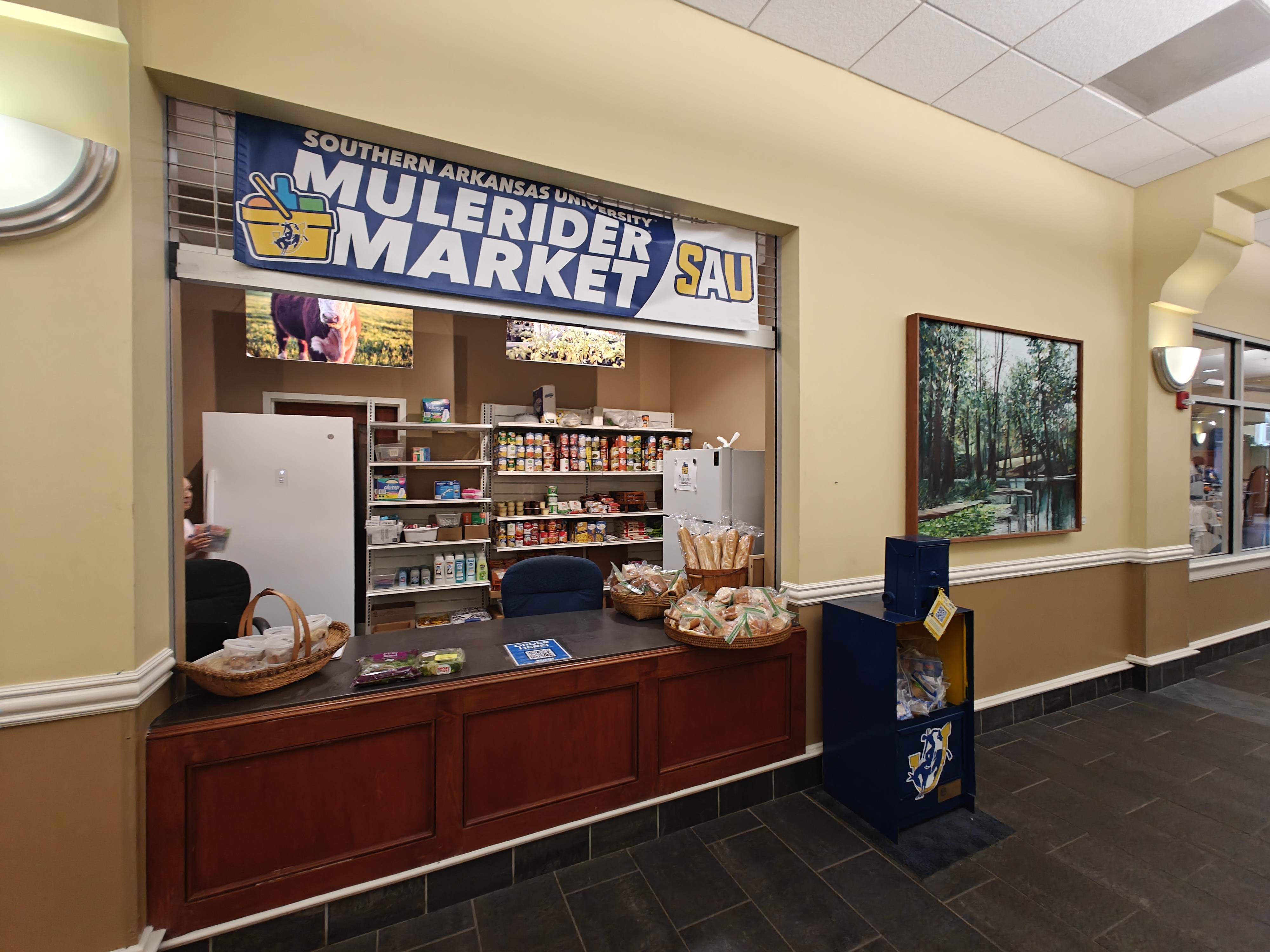
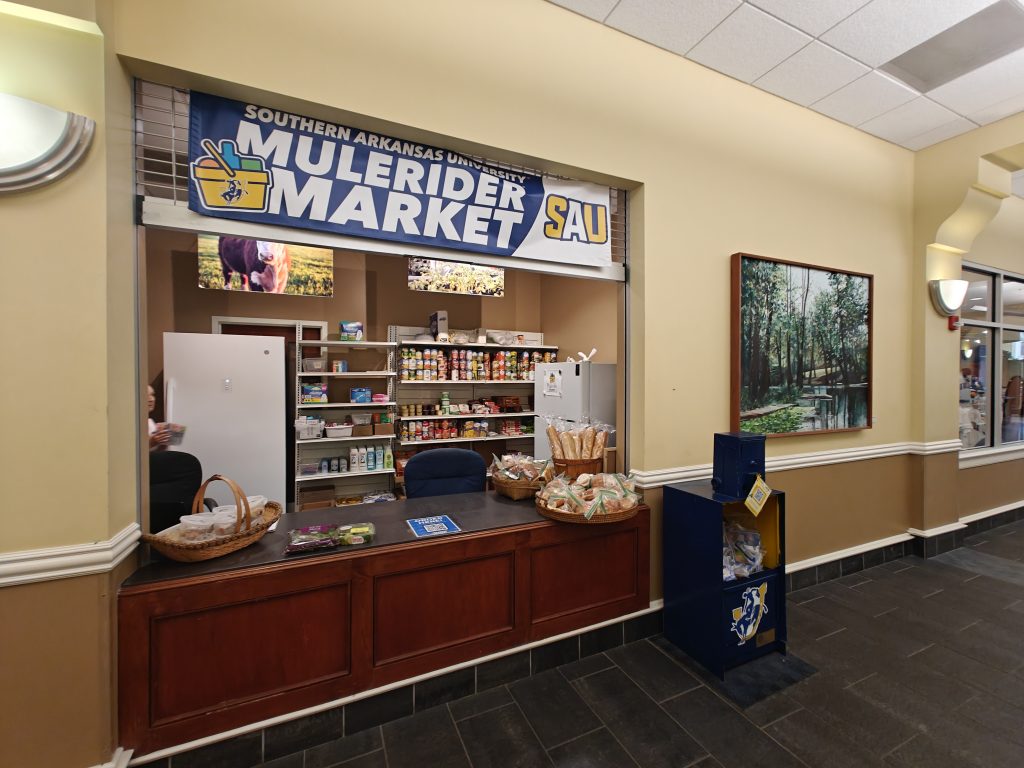
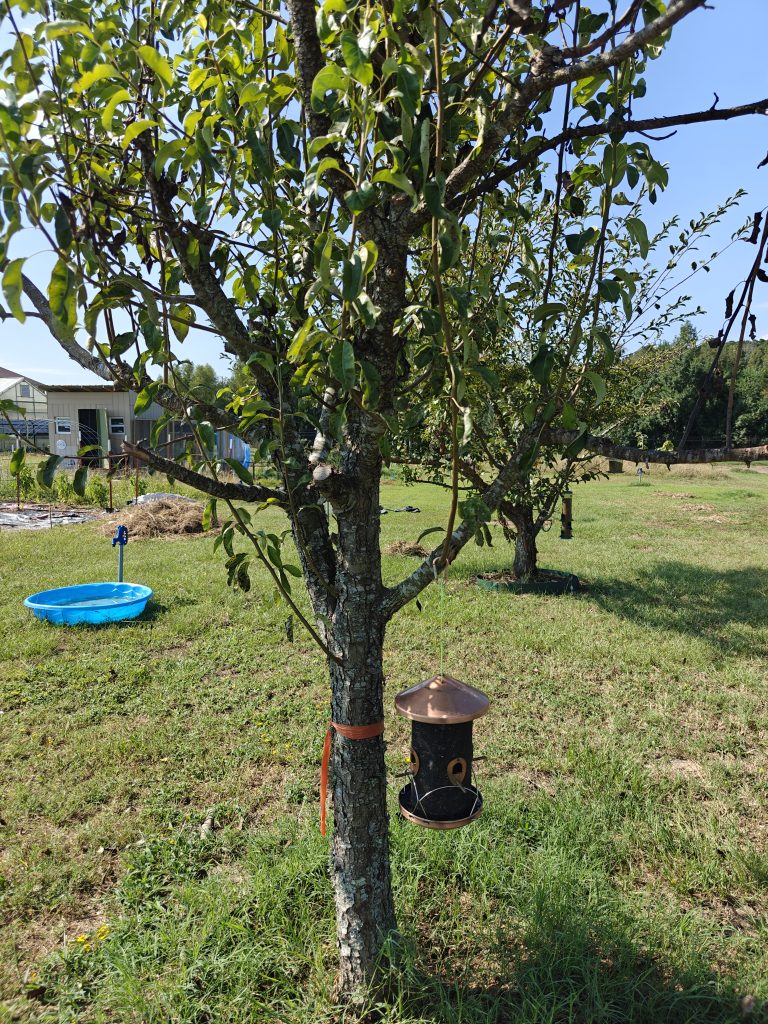
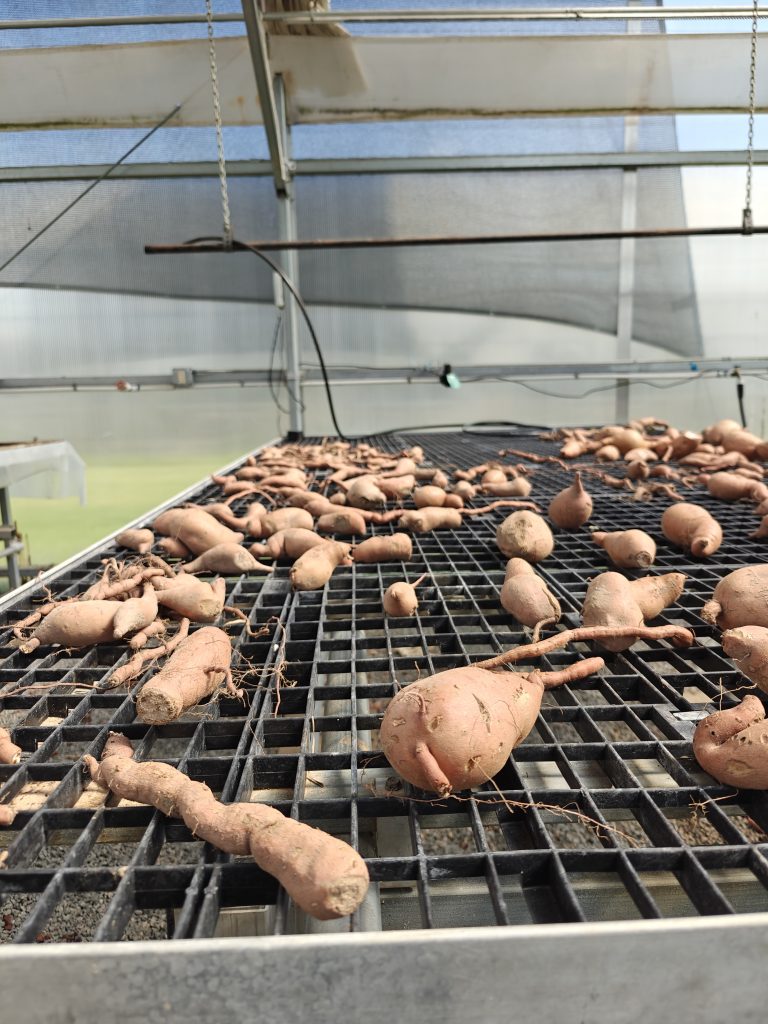
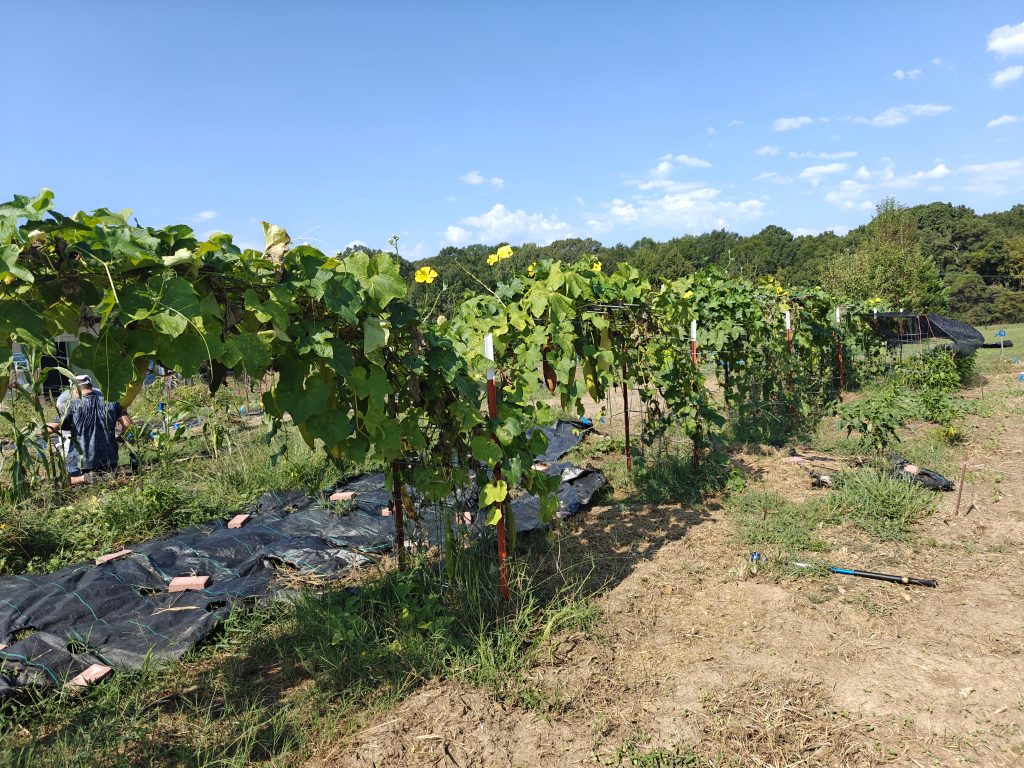
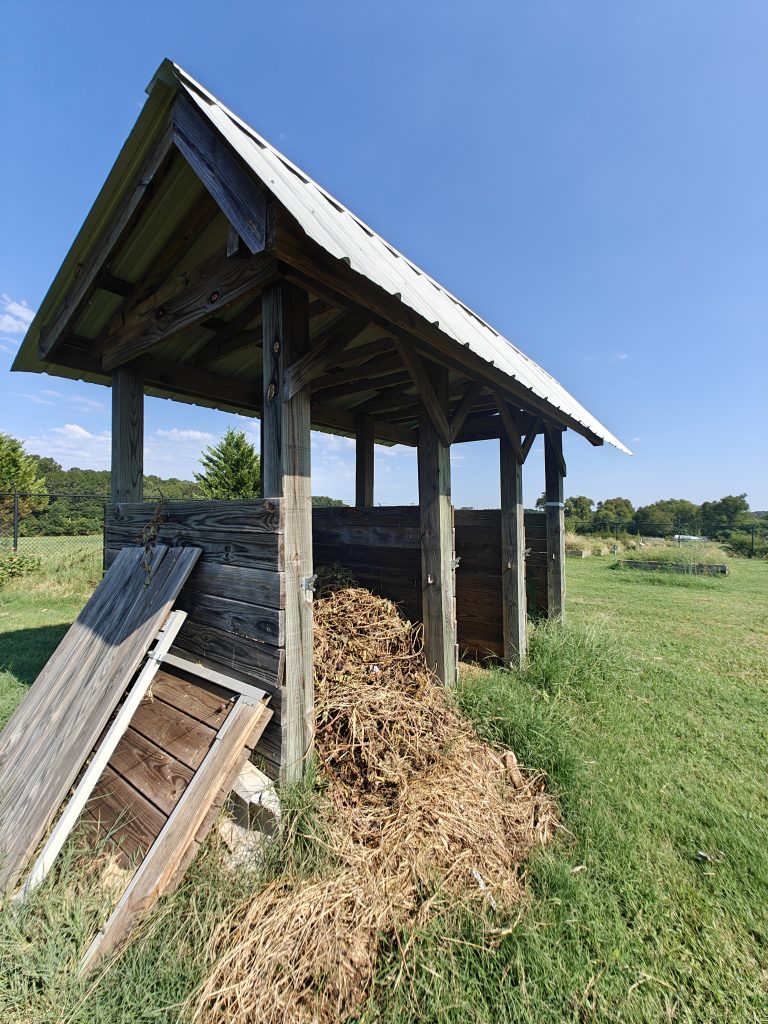
What began as a small community garden in Columbia County has grown into something much bigger, a thriving food production garden with a mission to feed both body and spirit. At Southern Arkansas University (SAU), this garden now supplies fresh produce to the Mulerider Market, a free ”store” where students can access healthy food with ease.

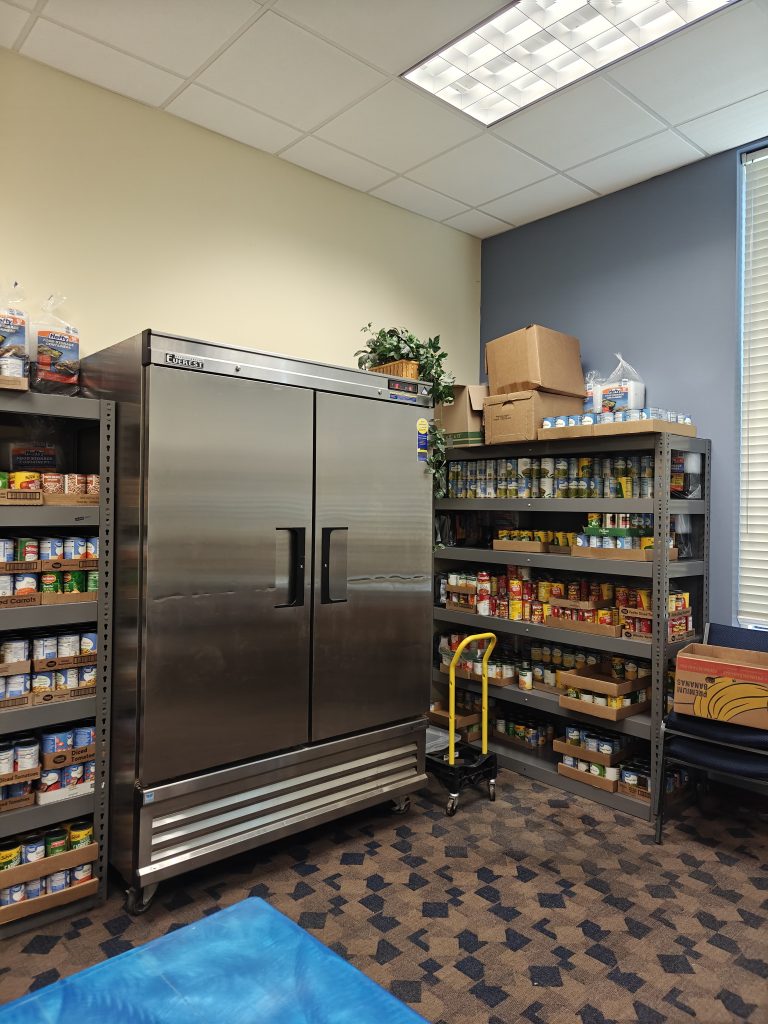
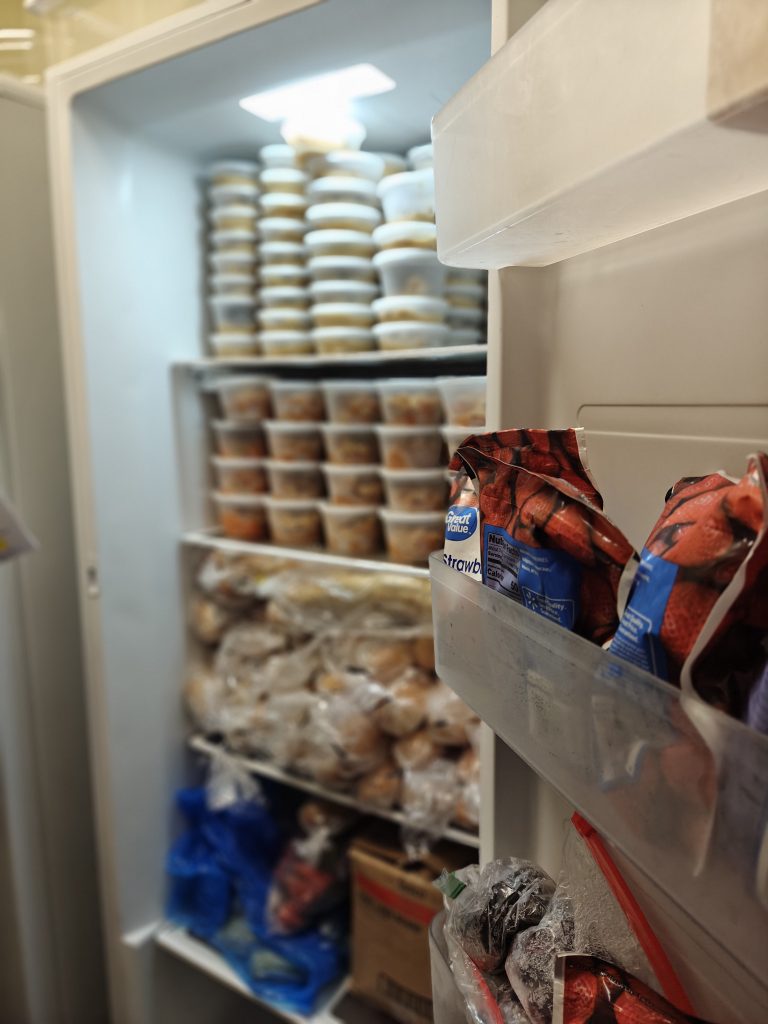
Students can simply scan a QR code, order what they need, and pick it up, turning what could feel like a handout into a dignified choice. The Mulerider Market also provides canned goods, frozen ready-made meals, and other essentials to support students who may be facing food insecurity.

Since its launch in 2019, the Mulerider Market has served more than 8,000 students. In 2022, it began offering full meals, and in 2024 it added a food reclamation program to reduce campus waste while redirecting good food to students in need.

The garden’s impact extends beyond campus as well. It donates to local foster care support organizations and partners with Abilities Unlimited to provide meaningful job opportunities and training.

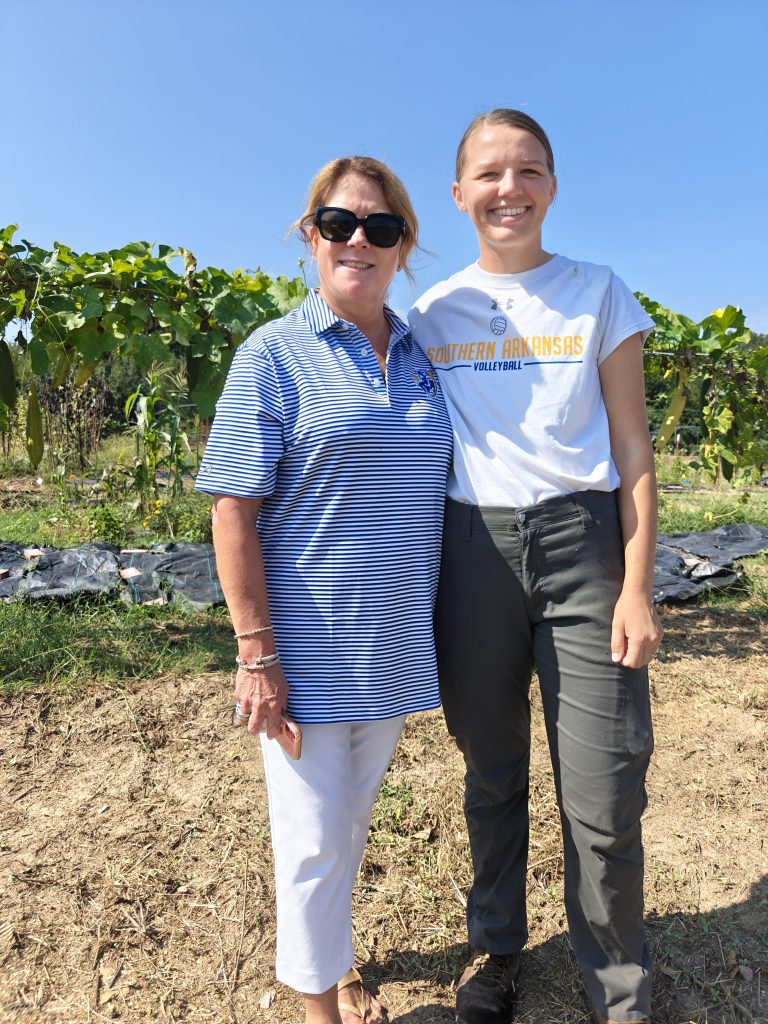
Kathy Gean and Katie Tejeda

Much of the growth of the Mulerider Market is thanks to the leadership of Katie Tejeda, SAU’s volunteer coordinator. Though she grew up on an animal farm, Katie was new to vegetable and plant farming and has taught herself through trial and error, learning everything from seed starting to greenhouse planning. Each year she sets her sights on expanding the garden’s capacity, with her next big project being the establishment of a greenhouse. She also dreams of adding hydroponics and even a fish system to the operation.

Katie is equally focused on growing people, not just plants. She works tirelessly to bring in more volunteers and create meaningful opportunities for engagement. Through her work to become a Certified Volunteer Manager with the Arkansas Public Administration Consortium, Katie connected with Engage AR, which provided critical funding that transformed the space from simple rental garden beds into the full-scale food production garden it is today.

Alongside Katie, Kathy Gean, SAU’s Director of AmeriCorps/VISTA, helps guide the program’s vision and sustainability. Together, their leadership ensures the garden and Mulerider Market continue to thrive.

To keep this important work growing, the Columbia County Community Foundation has stepped up. Through this year’s Giving Tree grant cycle, the Foundation is awarding $6,500 to support the Mulerider Market. For the Columbia County affiliate, this investment is part of a key strategy: getting food to where people are and doing it in a way that honors dignity.

What started as a simple garden has blossomed into a lifeline for students and families. It’s proof that when a community comes together, planting seeds of care and partnership, the harvest can change lives.

Search for new leader begins as Community Foundation approaches its 50th anniversary

LITTLE ROCK, AR, (Aug. 21, 2025) – Arkansas Community Foundation announced today that longtime President and CEO Heather Larkin will retire at the end of 2025, concluding 27 years of dedicated service to the Foundation, including 17 years as its chief executive.

Larkin’s leadership has guided the Community Foundation through unprecedented growth and impact. Under her tenure, assets have grown from $19 million to more than $896 million, with nearly $67 million granted to Arkansas nonprofits in the last fiscal year. A tireless advocate for place-based philanthropy, Larkin has been instrumental in expanding the Foundation’s 29-office affiliate network and elevating its statewide voice as a data-informed grantmaker with a deep commitment to ensuring that local decisions and local philanthropy are mobilized to meet local challenges.

“Heather’s legacy is woven into the very fabric of Arkansas Community Foundation,” said Tracy Cude, Board Chair. “She has led with heart, humility and an unwavering commitment to Arkansas. Her vision and steady hand have positioned the Foundation to thrive for generations to come. On behalf of the board of directors, staff and local affiliate network, we are deeply grateful for her service.”

The Foundation will initiate a statewide search for its next President and CEO beginning immediately. Applications will be accepted through October 7, and a new CEO is expected to be named by January.

Larkin will remain in her role until a new CEO is in place to ensure a smooth transition.

“This is the right time for the Foundation to take its next bold step forward,” said Larkin. “It has been the honor of my lifetime to be a part of this work, and as we prepare to celebrate our 50th anniversary in 2026, I’m excited that new leadership will bring fresh energy and ideas to carry our mission even further.”

Applicants interested in applying can visit www.arcf.org/careers to learn more. 

###

Arkansas Community Foundation, a statewide nonprofit organization, provides resources, insight and inspiration to build stronger Arkansas communities – communities where our kids will want to raise their kids. The Community Foundation is the largest grantmaker in the state in the number of grants made each year. Since 1976, the Foundation has awarded more than half a billion in grants to nonprofits. Serving local communities through a 29-affiliate network along with statewide initiatives, the Foundation staff works directly with donors, professional advisors and nonprofits to help strengthen Arkansas communities through strategic philanthropy and focusing on local needs. Its assets rank among the top 60 of community foundations in the United States with more than $896 million in charitable assets under management.