
From education to lifesaving equipment, Delta Area Community Foundation is investing in local solutions that bring hope, safety and opportunity across Desha and Lincoln counties.
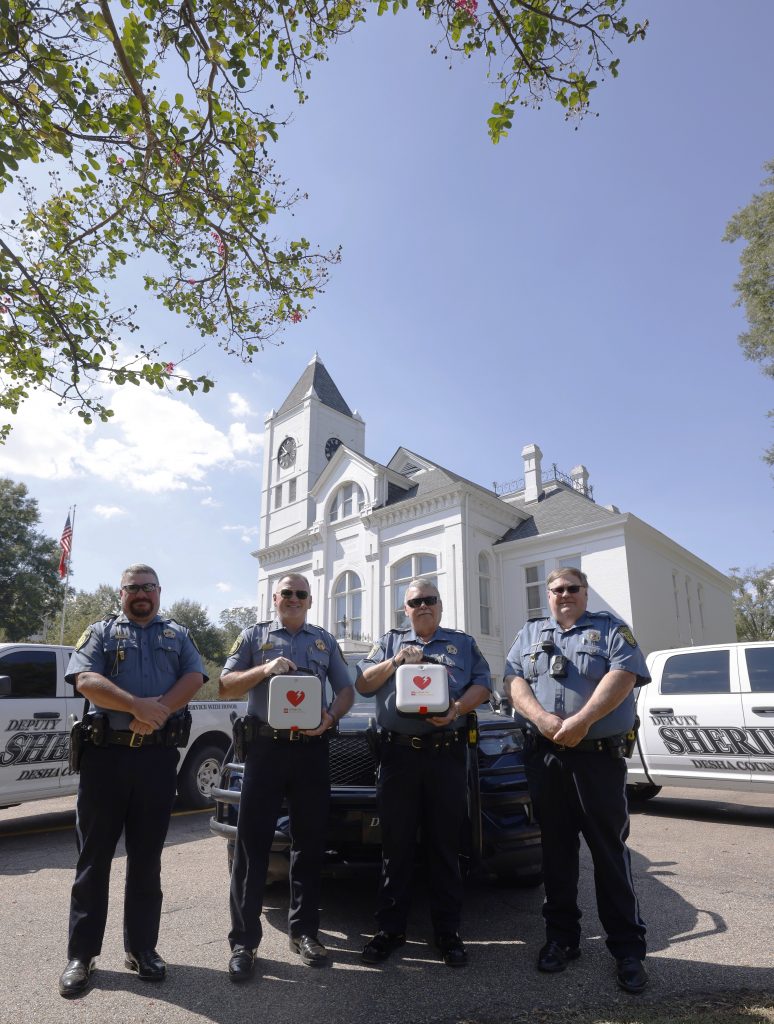
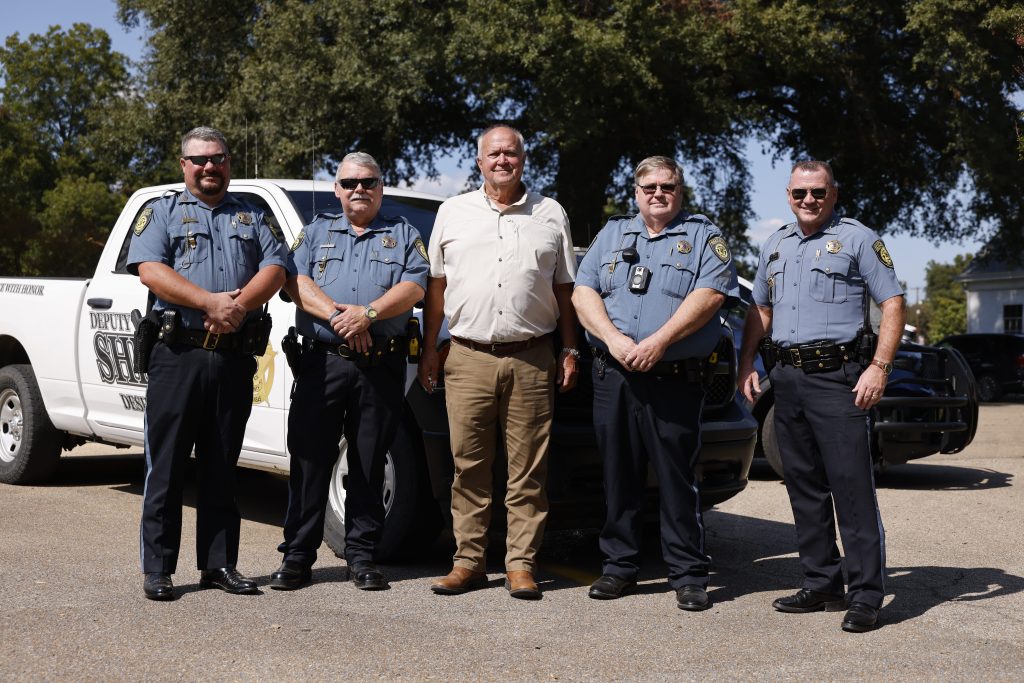
When the Desha County Sheriff’s Office received a grant to purchase its first two automated external defibrillators (AEDs), the impact was immediate and deeply personal. “Our patrol units are often the first to respond to an emergency,” Sheriff Mitch Grant explained. “Earlier this year, one of our deputies arrived before EMS to a heart attack call in a rural part of the county. He began CPR, but without an AED, there was only so much he could do. With this equipment, that life might have been saved.”
Today, the sheriff’s office has three AEDs in total and hopes to secure two more so that every patrol vehicle is equipped with lifesaving technology. Delta Area Community Foundation stepped in quickly to make the initial purchase possible, just one example of how the affiliate listens and responds when local leaders identify urgent needs.
For Executive Director Randi Stinyard, that responsiveness is central to their mission. “We exist to make grants that help our communities be safer, stronger places to live.”
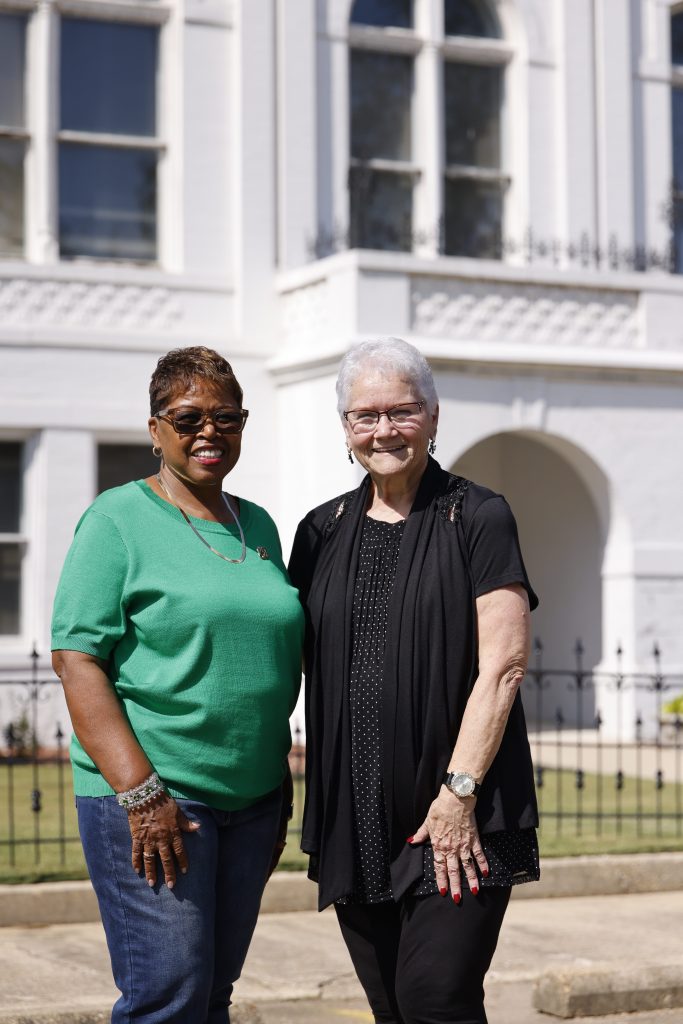
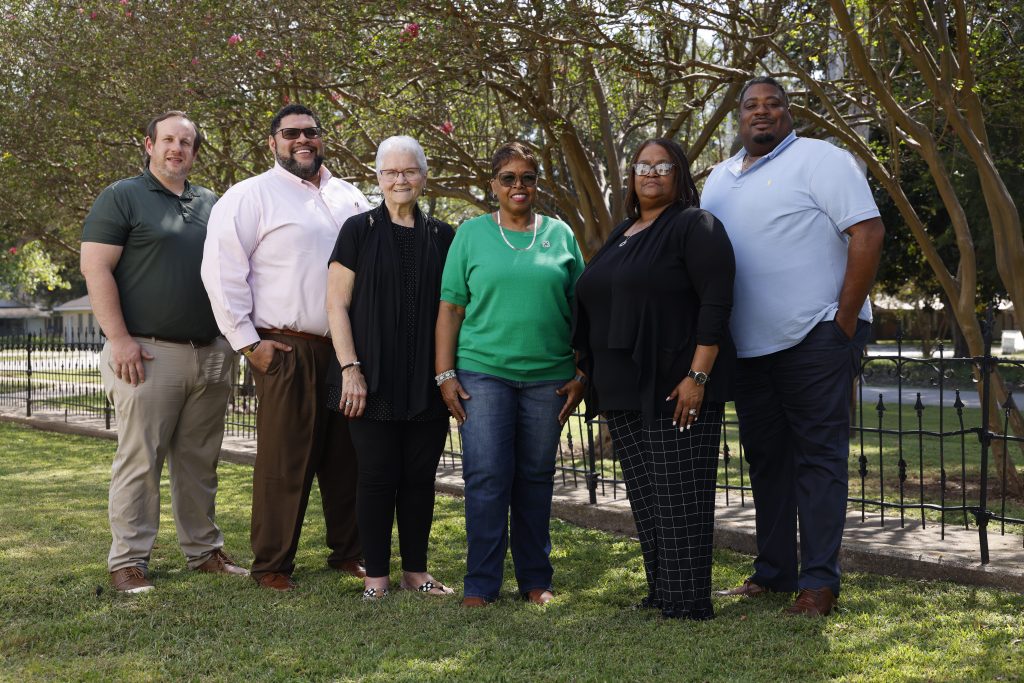
That same spirit drives the Delta Area board, a diverse and committed group representing education, healthcare, clergy, law enforcement and more. They rotate meetings across towns, announce grant opportunities in churches and civic groups, and make sure local voices shape their work. Board chair and Arkansas City mayor Carolyne Blissett summed it up: “We are very much a working board. We all play a role, and we’re intentional about making sure our grants address real needs in every corner of our counties.”

Scholarships are one of those priorities. Blissett recalled how, early on, schools weren’t always engaged. But with personal visits and workshops, participation grew. “Now, more young people are finding opportunities they might have missed,” she said. Dr. Chris Allen, the Alternative Learning Environments (ALE) Director for Star City School District, added that simple steps like walking students through the online application process have made scholarships more accessible.
The same approach applies to immediate needs. Whether it’s providing fans to elderly residents during scorching summers, supporting food pantries in communities where fresh groceries can be 20 minutes away, or expanding early literacy programs, the Community Foundation is deliberate about solving problems close to home. Board member Elaine Hargraves sees it daily at the UAM McGehee campus where she is the assistant vice chancellor, “I see students every day who need food. Even something as simple as setting up a snack station changes lives.”
For board member Spencer Chastain, the connection between this work and the county’s AED grant is clear. “Families here often think college, or even basic resources, are out of reach. But the Community Foundation helps people think bigger, and it makes hope tangible. In the same way, something like an AED can literally change the outcome for a family in crisis.”
That determination is what sustains the board’s optimism. Cortez Smith pointed to the financial support from donors. Chastain emphasized the resilience of Delta people: “No matter how bad it gets, folks here step up for one another.”
The AED grant to the sheriff’s office is just one example, but it captures the essence of the local Community Foundation: neighbors coming together, a working board listening closely, and modest investments that can change, and sometimes save, lives.